Studio One 4.6 is a free update that greatly strengthens important features for music production. In particular, the third-generation Ampire has a renewed sound and UI as a guitar amp simulator, with five amp models and new stomp effects added. In addition, the browser's gallery view and various Pattern Editor improvements make composing and arranging much more efficient, making this a valuable update for a wide range of users, from beginners to advanced.
A Solid Update, Even Though It's Free
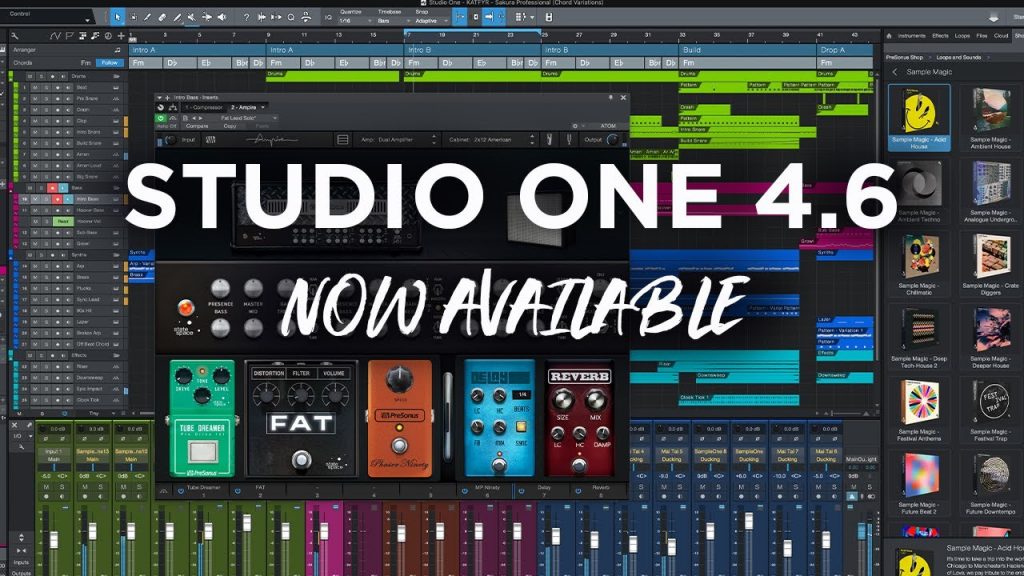
Studio One 4.6 has been released.
In addition to a new third-generation Ampire, the browser has been redesigned and the Pattern Editor has been improved.
Studio One 4 users can update free of charge.
Let's take a look at the headline new features.
The New Ampire
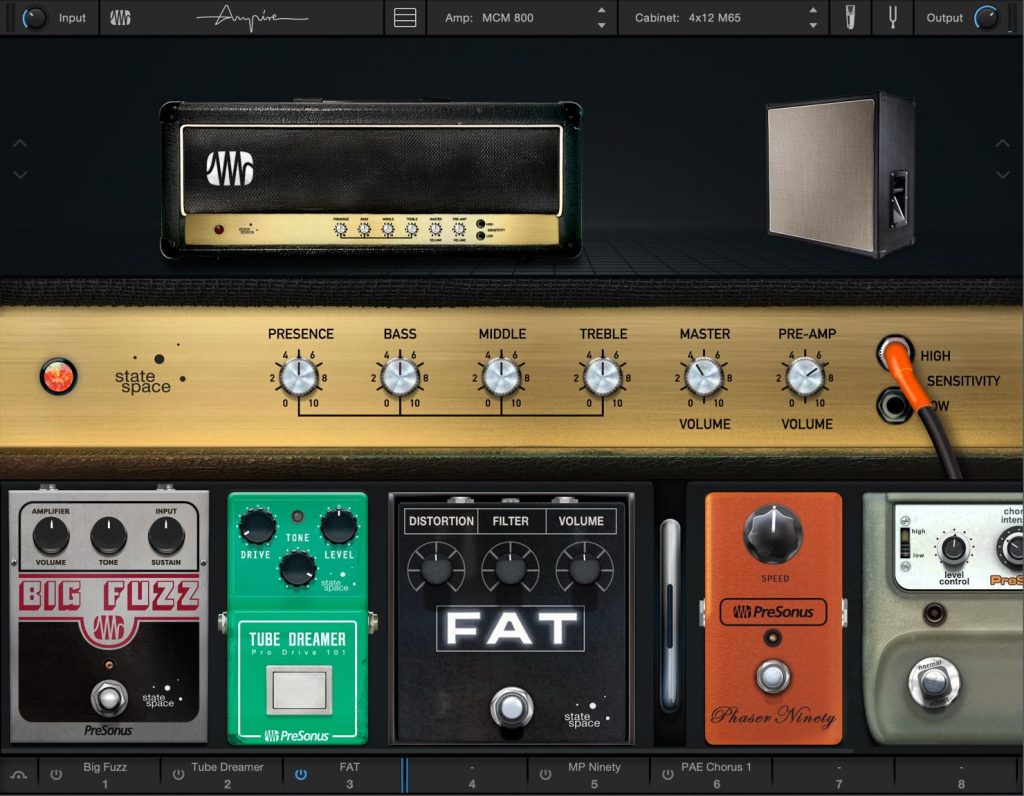
"Ampire", the guitar amp simulator included with Studio One, has been reborn as a third generation.
First, its appearance has changed significantly and now closely resembles the modeled originals, so you can operate it intuitively.
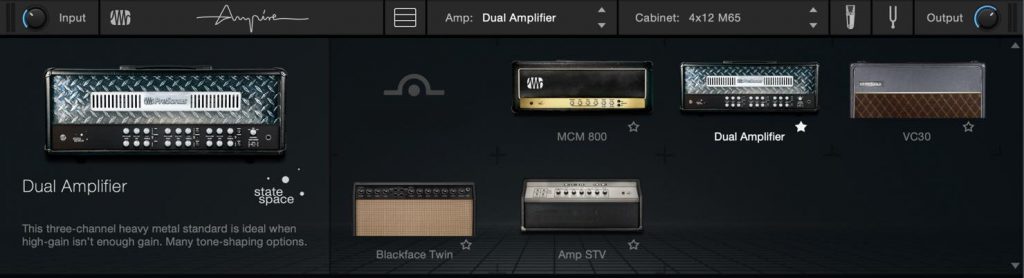
It's not just the look: the amps' sound has also been renewed, with precise models of five valuable amps.
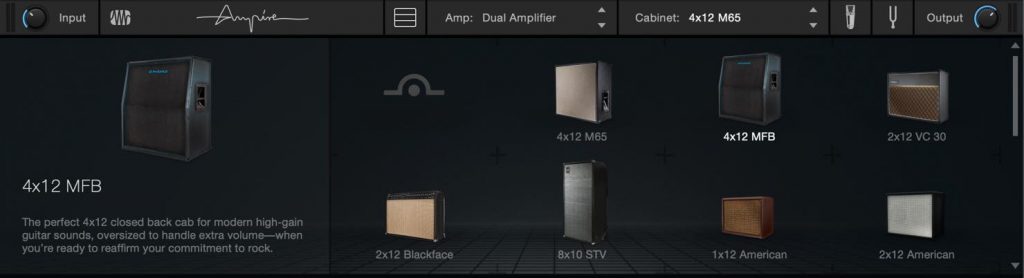
Five impulse responses have also been added to the cabinets to match the amps.
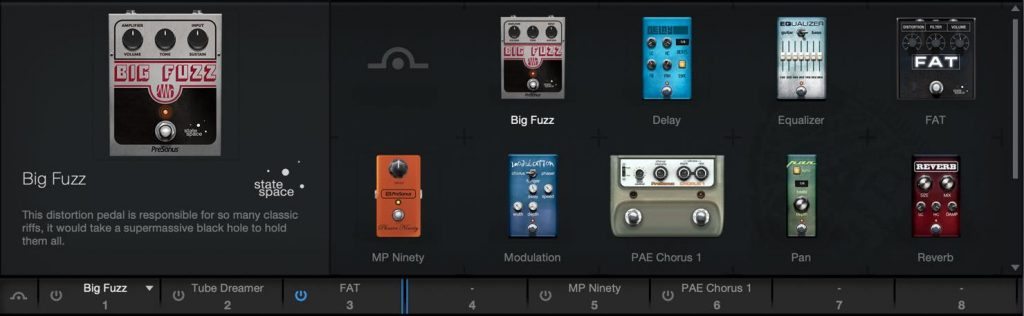
Five classic stomp effects have also been added. You can tell the modeled originals at a glance.
There are also utility improvements, such as a built-in tuner.
New Plug-in: "Pedalboard"
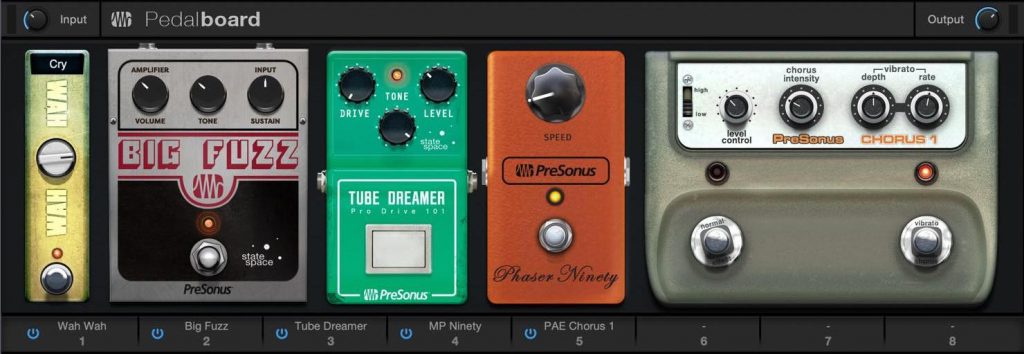
A "Pedalboard" plug-in has been added that lets you use Ampire's stomp section on its own.
It could be interesting to apply it to synths and other sources as well.
Redesigned Browser
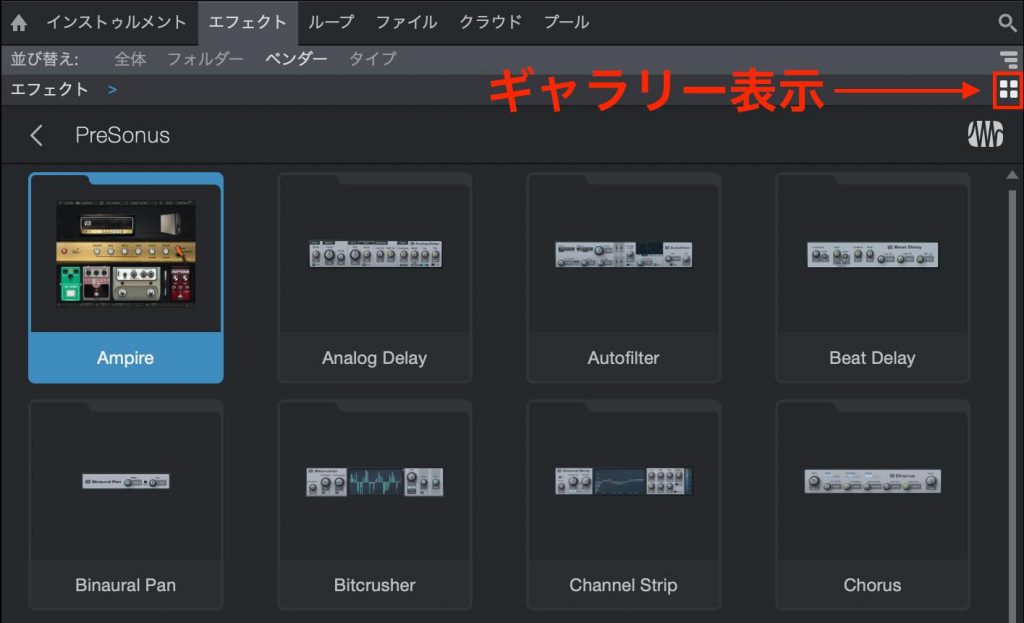
A gallery view has been added, letting you browse content such as instruments and effects visually.
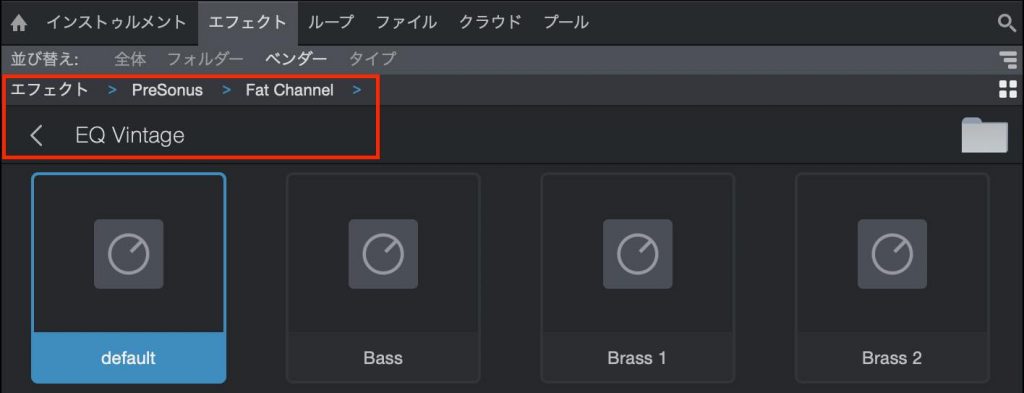
A new navigation bar now appears below the tab area, letting you browse quickly.
Pattern Editor Improvements
Various updates have been made to the Pattern Editor, which was introduced in 4.5.
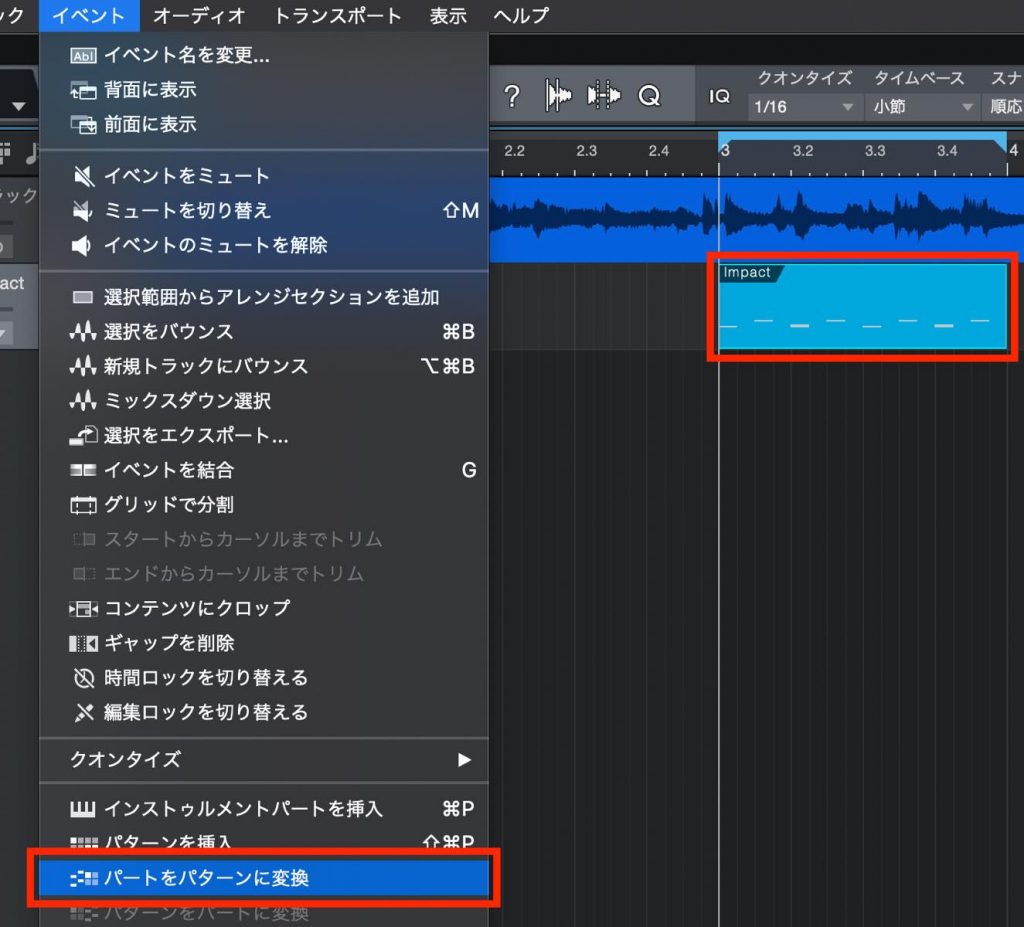
You can now convert instrument parts into patterns.
Select the part you want to convert and choose "Convert Part to Pattern" from the "Event" menu.
Of course, conversion in the other direction is also possible.
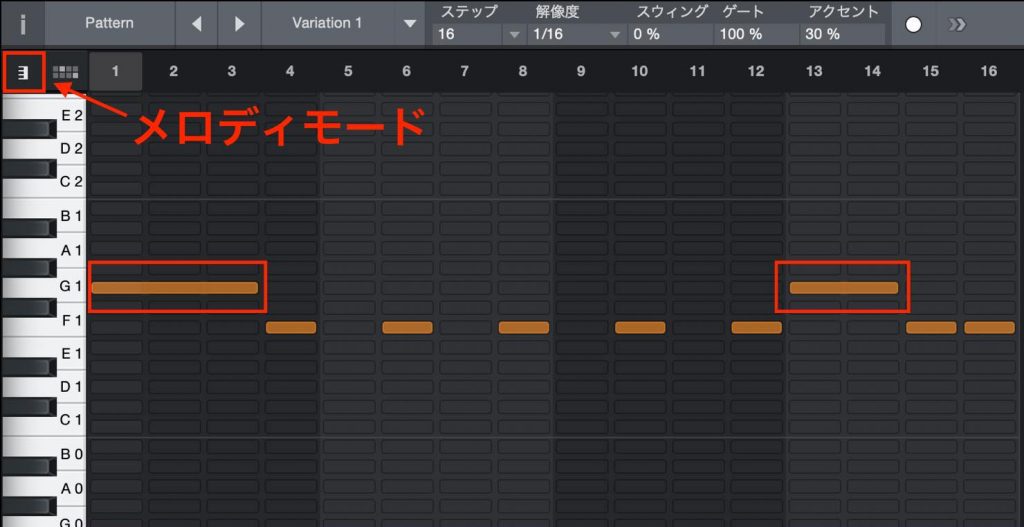
A variety of note lengths of two steps or more are now supported. This is ideal for making bass patterns and similar parts.
Use Melody mode when editing.
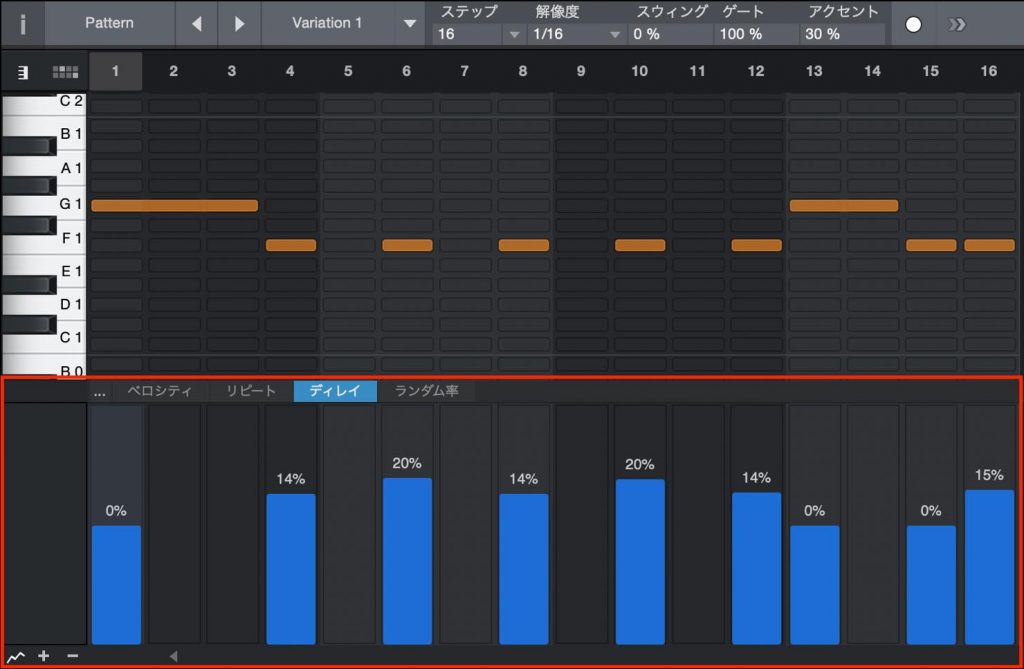
You can now set an individual delay value for each step of a pattern.
By holding Option on a Mac or Alt on Windows while adjusting this value, you can apply it to all steps of the instrument at once.
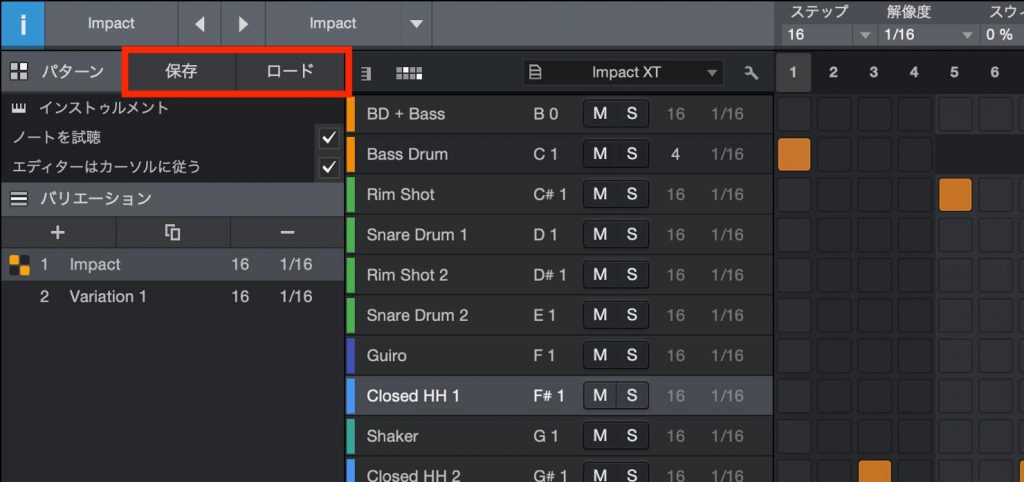
"Save" and "Load" items have been added to the Pattern Inspector, so you can save and load edited patterns (including variations) as presets.
Presets can be loaded and saved separately from the current instrument.
Those are the main new features.
Ampire is now reaching a quality on par with third-party amp simulators, and the recently added Pattern Editor keeps evolving.
There are other small improvements as well, and overall it feels easier to use.
Studio One 4 users can update free of charge, so make use of the features you like.

Frequently Asked Questions
Q1. Does the update to Studio One 4.6 cost anything?
No, Studio One 4 users can update free of charge. All of the latest features are available at no additional cost.
Q2. What has been improved in the new Ampire?
The third-generation Ampire now looks closer to the modeled originals, making it intuitive to operate, and five amps, five cabinets and five classic stomp effects have been added, greatly improving sound quality.
Q3. What is the Pedalboard plug-in?
It is Ampire's stomp effect section as a standalone plug-in. It can also be applied to synths and other sources besides guitar, allowing more flexible sound design.
Q4. What improvements have been made to the Pattern Editor?
Instrument part conversion, support for various note lengths, per-step delay settings and preset saving have been added, making bass patterns and rhythm programming more efficient.
NEW ARTICLES
Latest English Articles