In DTM production, bass and kick are key elements that cover a song's low end, and their volume balance and tone greatly affect the overall groove. Routing both to the same AUX track and processing them with compression and EQ creates a sense of unity and makes the whole song easier to pull together. By keeping the compression light and the EQ correction modest, this technique gives a more natural, polished sound, making it a practical method for everyone from mixing beginners to advanced users.
Bass and Kick Are Closely Related
The bass and kick cover a song's low end.
Their volume balance and tone greatly change the groove of the song,
so you want them to sit together neatly.
A technique that helps here is using an AUX track.
You route the bass and kick to the same AUX track and process them with compression and EQ.
Just sending them to the same track somehow creates a sense of unity,
and applying compression and EQ on that AUX means they pass through the same plug-ins,
which ties them together very well.
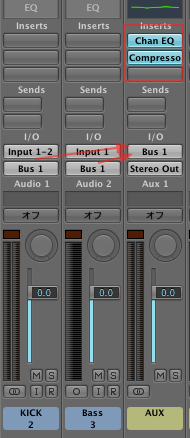
The key is not to overdo it.
Use light compression and EQ that only slightly corrects the tone for good results.
Be sure to give it a try!!
Purchase the product here

Frequently asked questions
Q1. What are the benefits of processing bass and kick together on an AUX track?
Routing them to the same track naturally creates a sense of unity. Passing them through shared compression and EQ plug-ins strengthens the connection between them and greatly improves the overall mix balance.
Q2. What should I watch out for with the compression and EQ settings on the AUX track?
The most important thing is not to overdo it. Keep the compressor setting light and limit EQ to slight tone correction to keep the sound natural and polished.
Q3. What should I do if processing the bass and kick is not working well?
Try the AUX track method introduced in the article. Also refer to other related techniques, such as EQing reverb returns and tidying up the low end, for a more effective mix.
NEW ARTICLES
Latest English Articles