A Chladni plate is a frequency art form in which sand, moved by a speaker's vibration, draws patterns. In this article, we send various frequencies generated by an oscillator to the plate and experimentally record the geometric patterns that appear across a wide range of frequencies from 48 Hz to 3870 Hz. The fantastical, intricate shapes, called "the fingerprints of the gods," show how sound vibration becomes physically visible, and demonstrate that they can be used as a creative source for digital art and logo design. Giving sound a shape through frequency is attracting attention as an application that fuses music production and visual expression.
Frequencies Move the Sand and Beautiful Shapes Emerge
Have you ever seen the shape of sound?
Here, we experiment with a Chladni plate, which can create various shapes from frequencies.
A fantastical art also called "the fingerprints of the gods."
From the shapes that appear here, we will use our favorite as a sub-logo for our company.
Chladni Plate Demonstration Video
How the Shapes Form
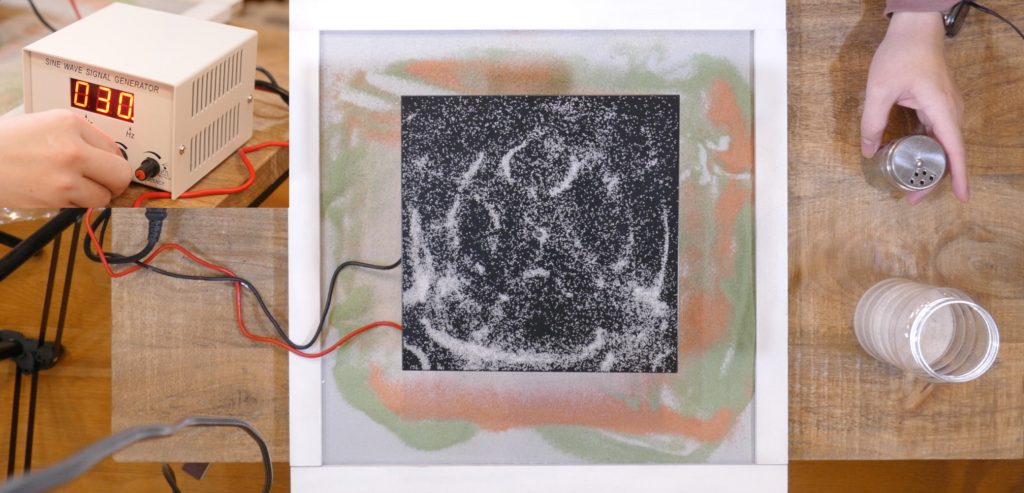
A metal plate is placed on top of a speaker, and sending a frequency created by an oscillator (here, a sine wave) makes the plate vibrate.
This vibration moves the sand on top, forming shapes.
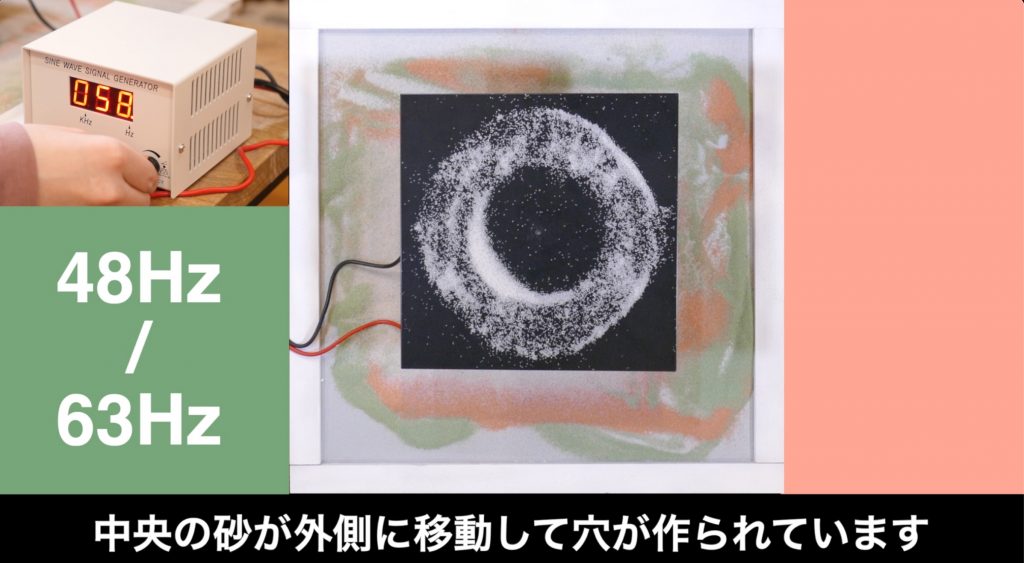
48Hz-63Hz
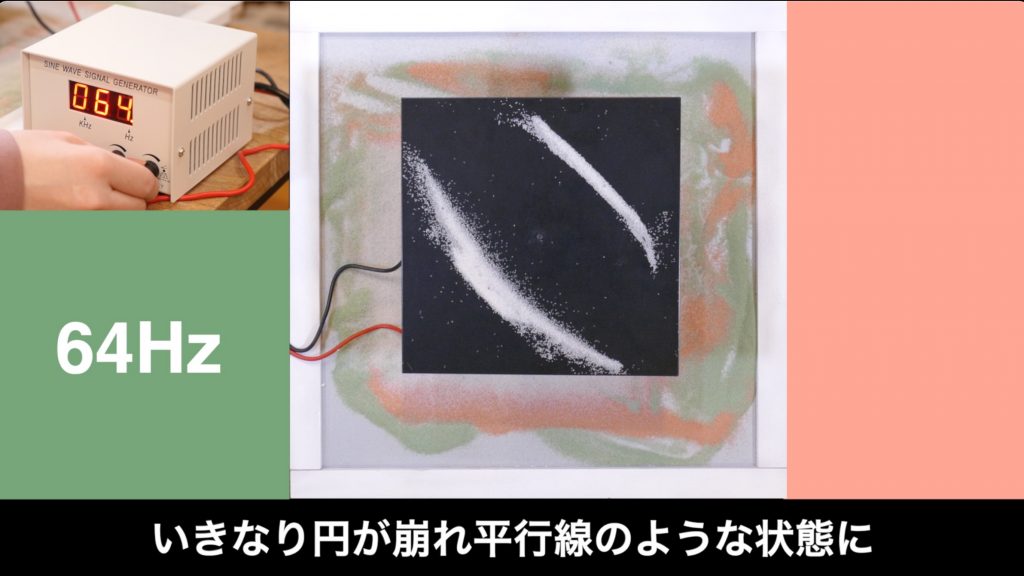
64Hz
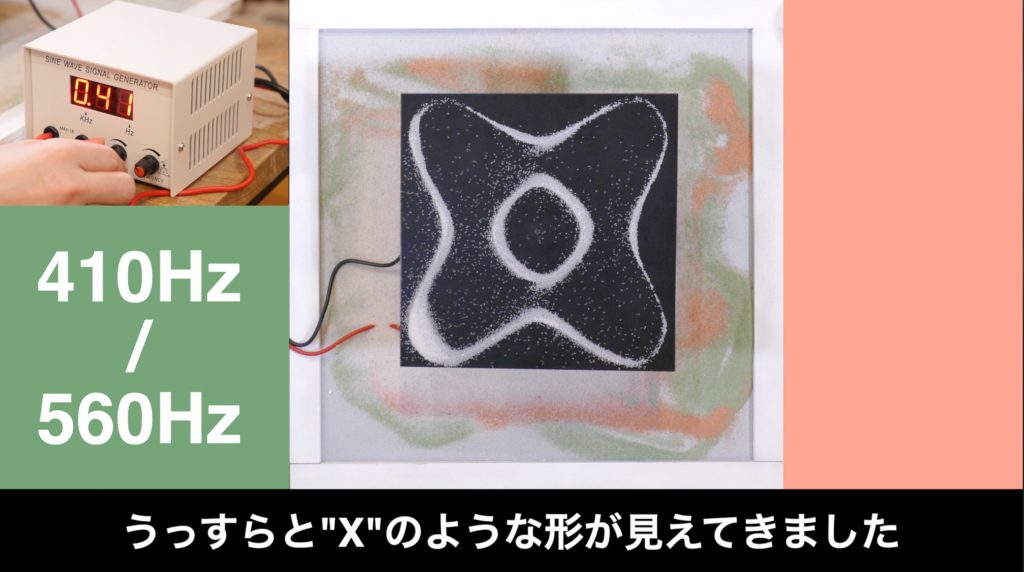
410Hz-560Hz
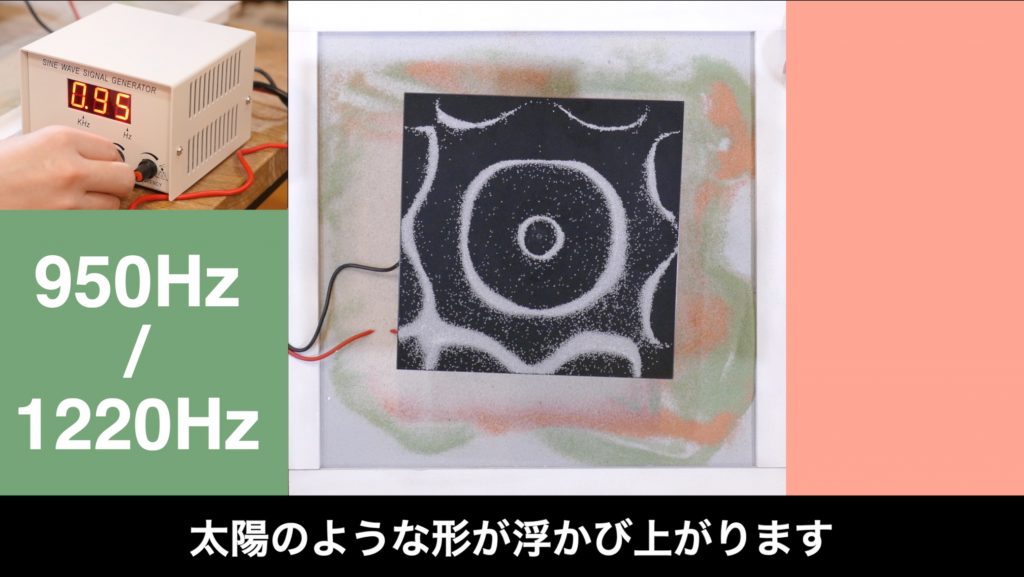
950Hz-1220Hz
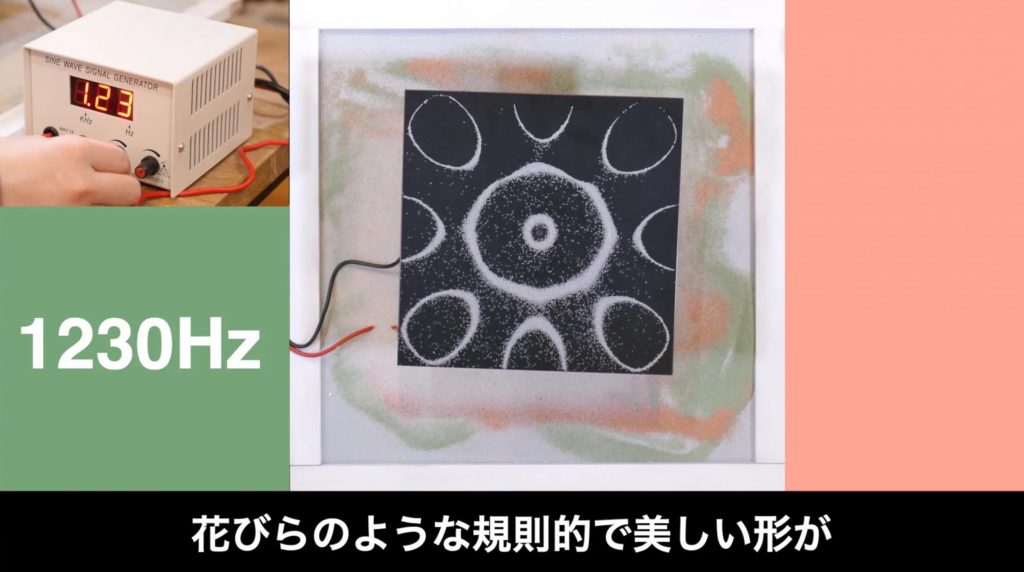
1230Hz
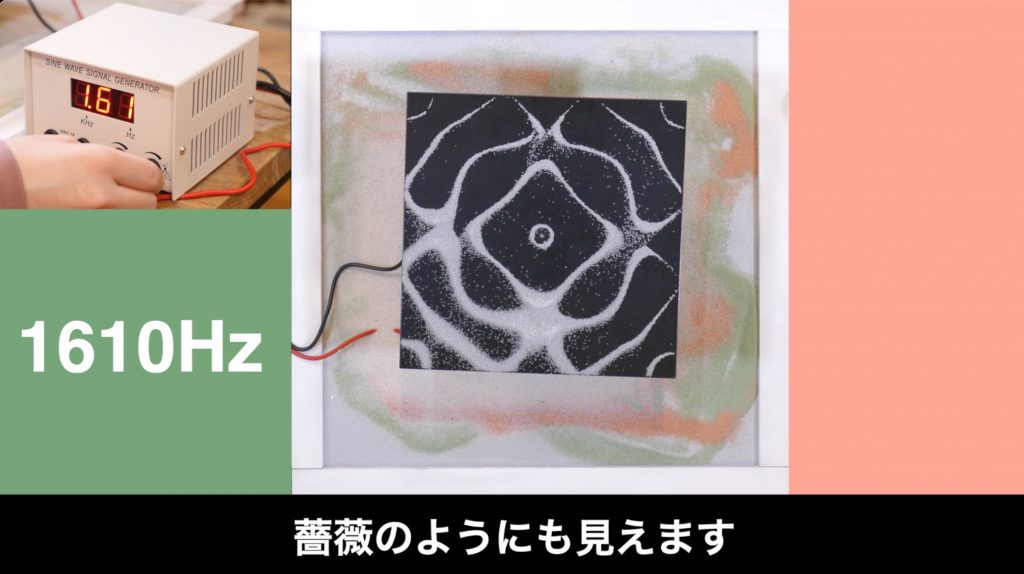
1610Hz
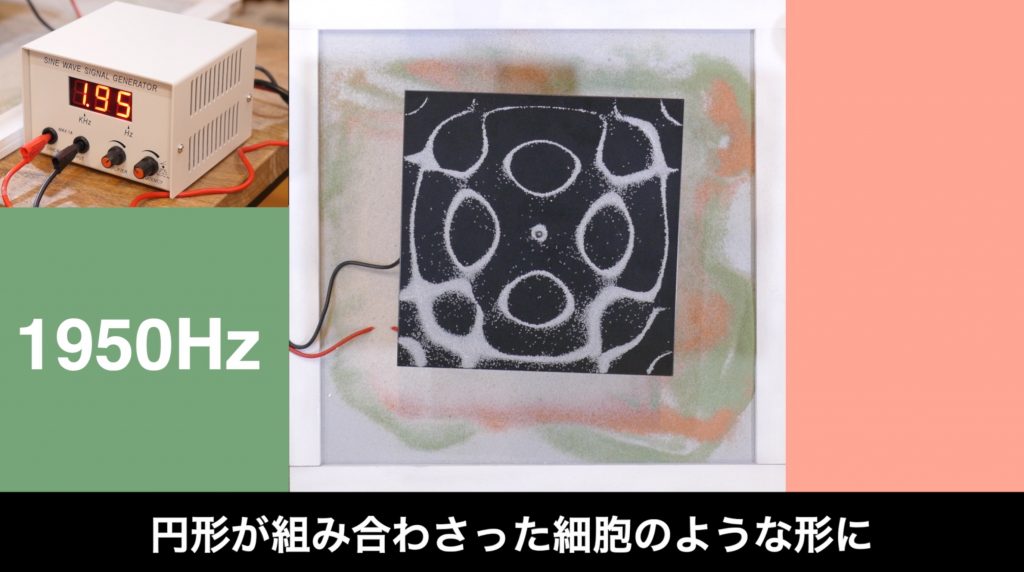
1950Hz
2070Hz
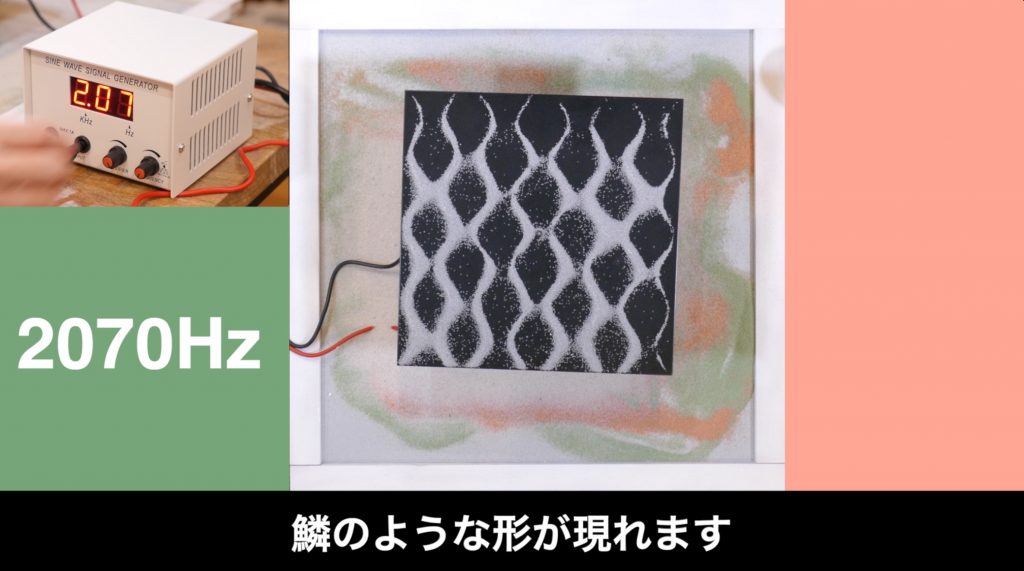
2160Hz
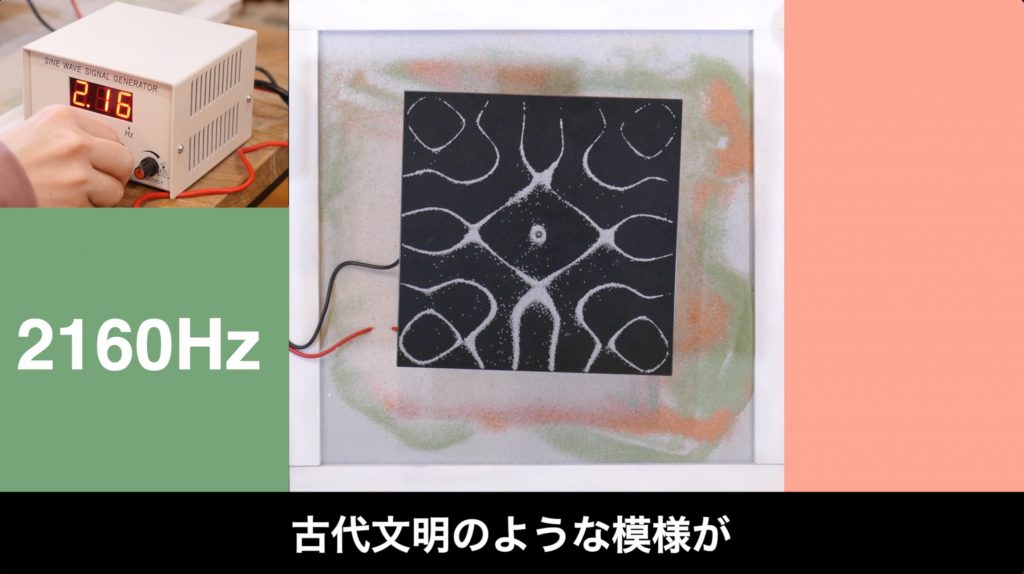
2440Hz
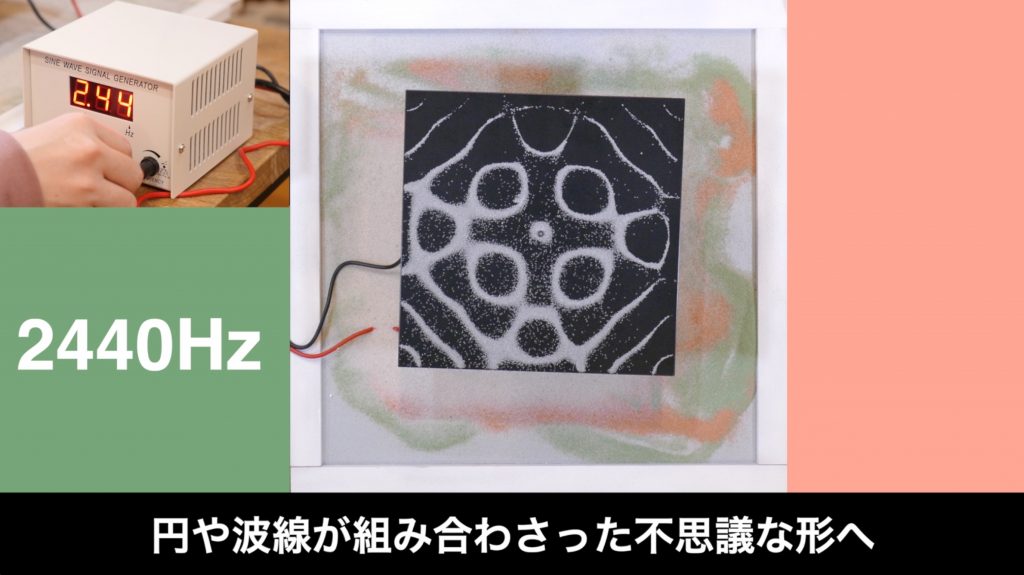
2610Hz
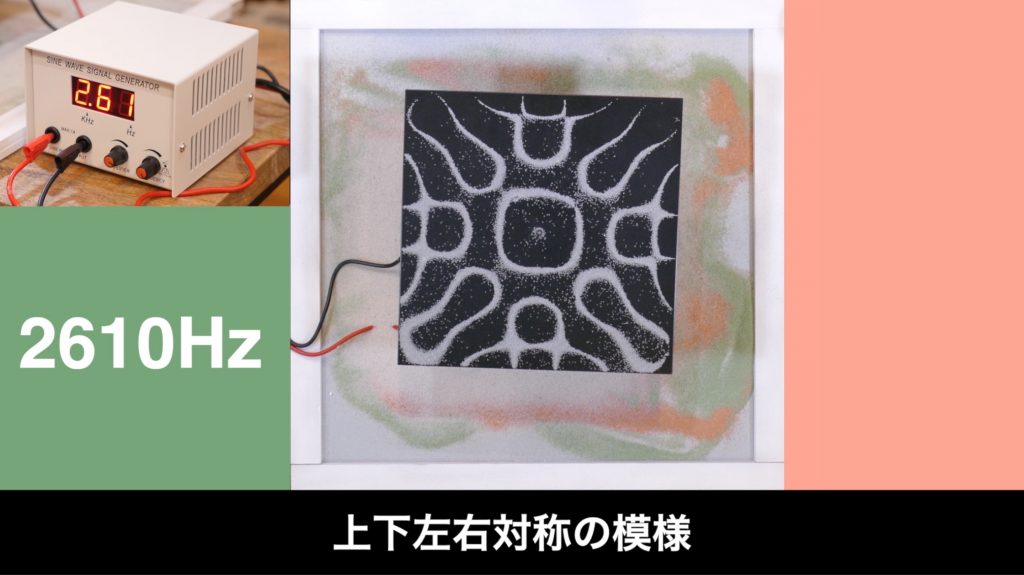
3320Hz
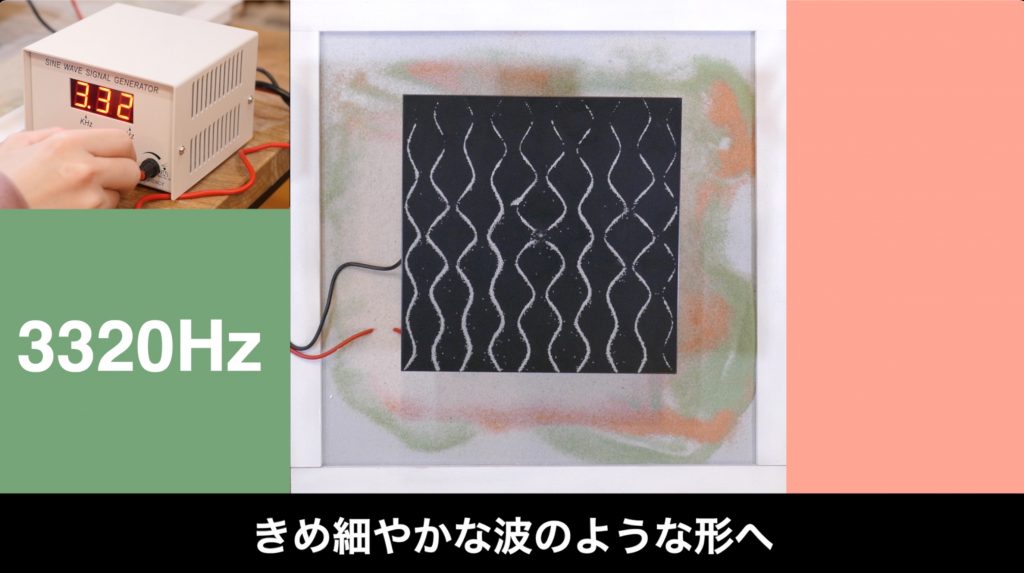
3390Hz
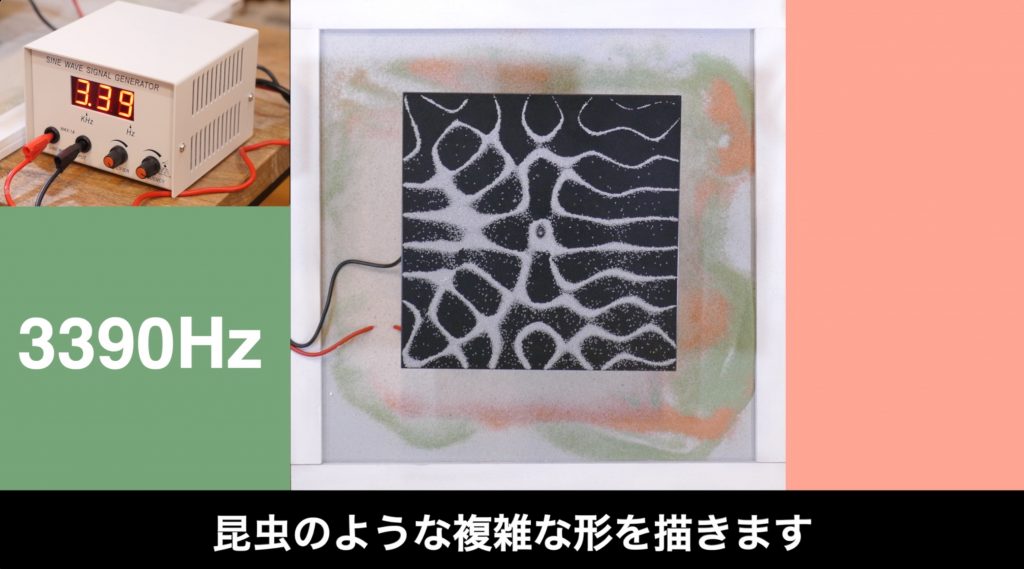
3870Hz
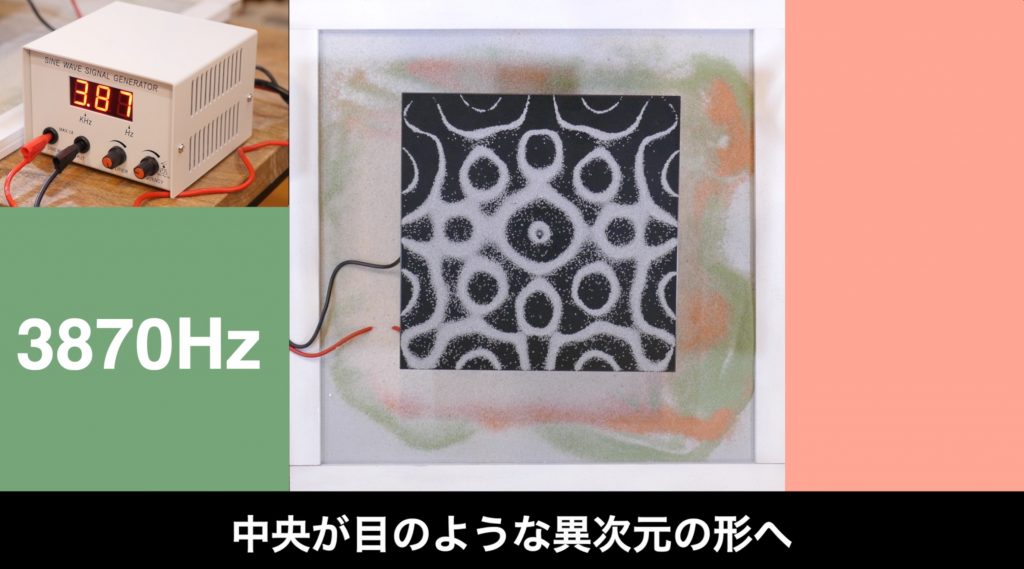
It was a hard choice, but from these captivating shapes we decided to adopt the "2600 Hz" shape.
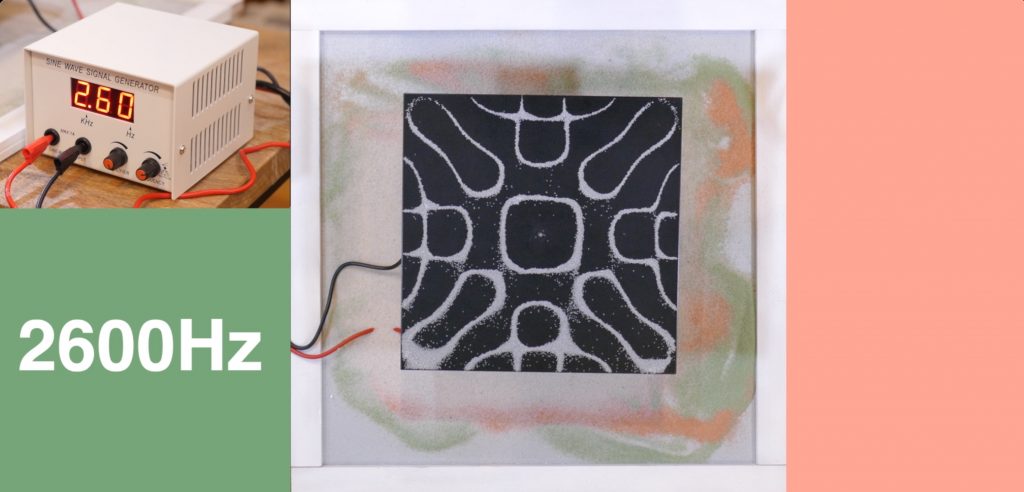
Here is the digitized version.
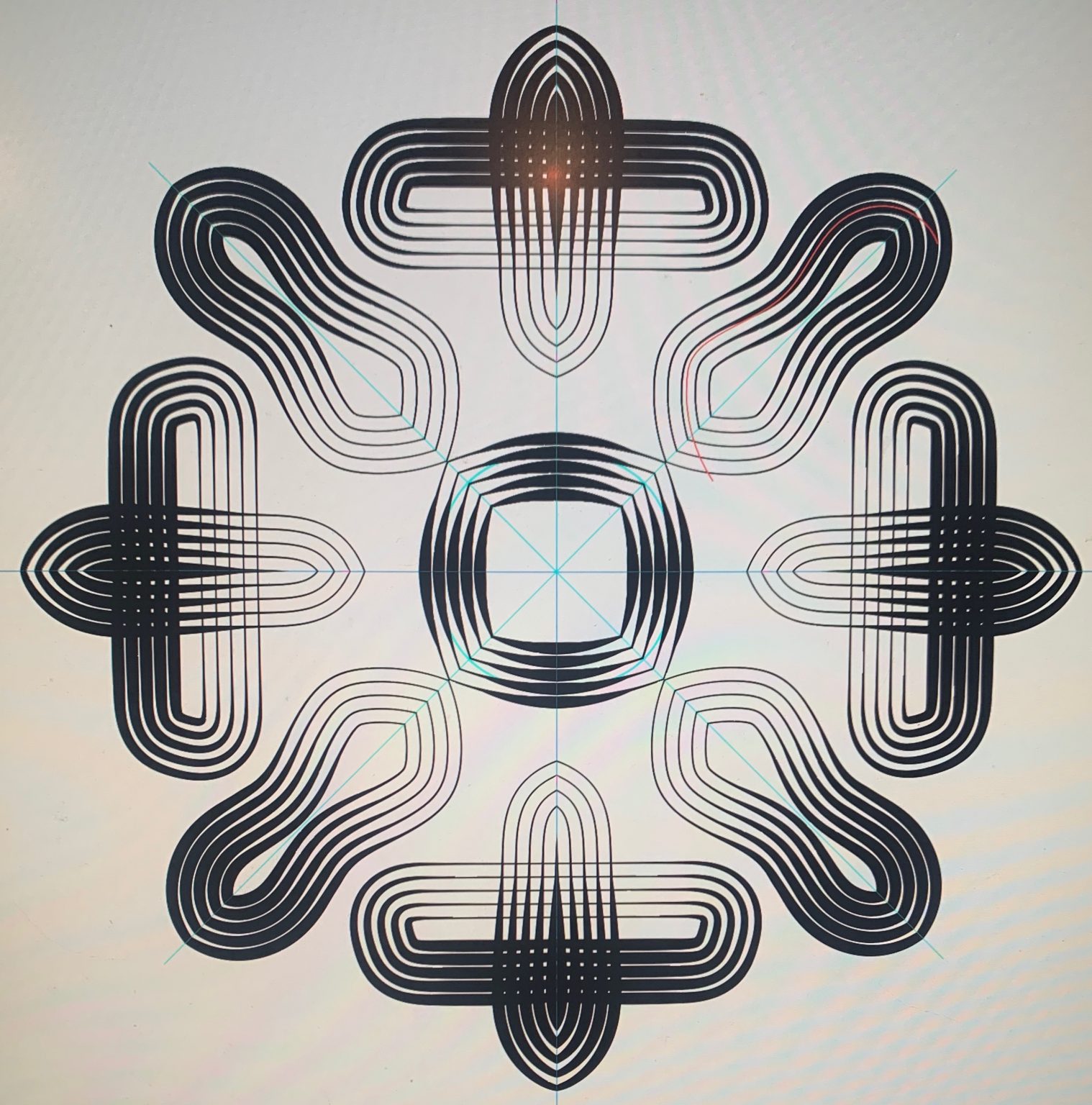
This project was a little different from our usual content, but we will use this logo to move forward with a new service.
Stay tuned!
Frequently Asked Questions
Q1. What is a Chladni plate?
A Chladni plate is a thin metal plate that vibrates when placed on a speaker and fed a frequency. The vibration moves sand, and a different geometric pattern emerges for each frequency. It is used as an art form that visualizes sound.
Q2. Why does the shape change with frequency?
Because the vibration pattern of the metal plate changes with frequency. Low frequencies produce simple shapes, and high frequencies produce more complex, finer geometric patterns. These differences in vibration patterns affect how the sand moves.
Q3. Can Chladni plate shapes be used for logo design?
Yes. As in the company example introduced in the article, shapes generated with a Chladni plate can be digitized and used as a source for logos and graphic design. Their hallmark is the organic designs born from the physical phenomena of sound.
NEW ARTICLES
Latest English Articles