UAD is a line of plug-ins that thoroughly simulates analog circuits, a solution for intermediate to advanced DTM producers. Unlike ordinary plug-ins, it runs complex calculations on dedicated hardware called a DSP (digital signal processor), achieving highly accurate audio processing while reducing the load on your computer. It lets you reproduce the unique sound of classic analog gear in a digital environment, with the benefit of building a sound environment like a top studio even in a home studio.
UAD: recommended for intermediate to advanced users stepping up

If you've gotten used to producing and mixing in a DAW to some extent and started using third-party plug-ins, you've probably heard the name UAD.
You may have the impression that it's a bit pricier than other plug-ins and requires hardware, so the hurdle is somewhat high.
But there's a good reason for that.
In this series, to help you understand what kind of product UAD is and how it stands out from others, we'll cover everything from an overview to explanations of the main plug-ins.
In this first installment, we'll explain how UAD works, an overview and the benefits of getting it.
Plug-ins that thoroughly simulate analog circuits
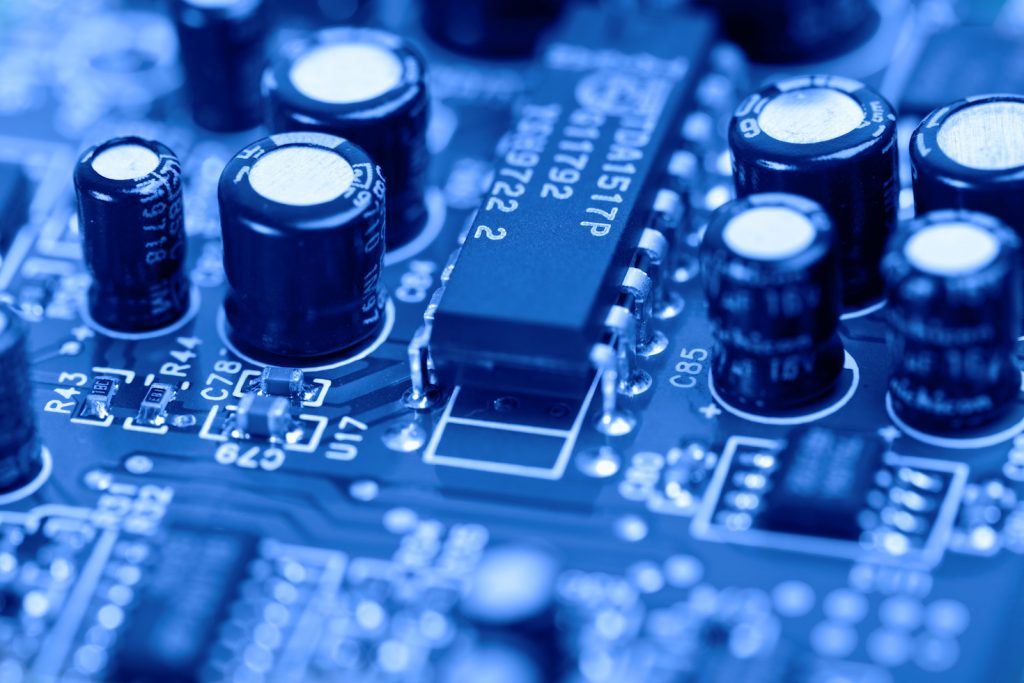
A common method in analog modeling is to sample how the output changes in response to the input and reproduce those characteristics, but UAD plug-ins don't take that approach; instead, they aim to simulate the analog circuit itself computationally.
So, for their own products of course, and in close partnership with other manufacturers as well, they're developed with the aim of thoroughly reproducing the circuits.

This is what sets them apart from other plug-ins.
DSP for precise processing

Because of this commitment, the calculations for UAD plug-ins are much more complex than for ordinary plug-ins. So processing them on the CPU alone would always demand a high-spec computer.
The solution is the "DSP (Digital Signal Processor)".
A DSP is a processor specialized for specific audio processing (here, processing UAD plug-ins), with the benefit that it doesn't depend on the power of the CPU, which is busy with all kinds of tasks on the computer. And since the DSP isn't affected by the DAW or soft synths, it can deliver stable processing results.
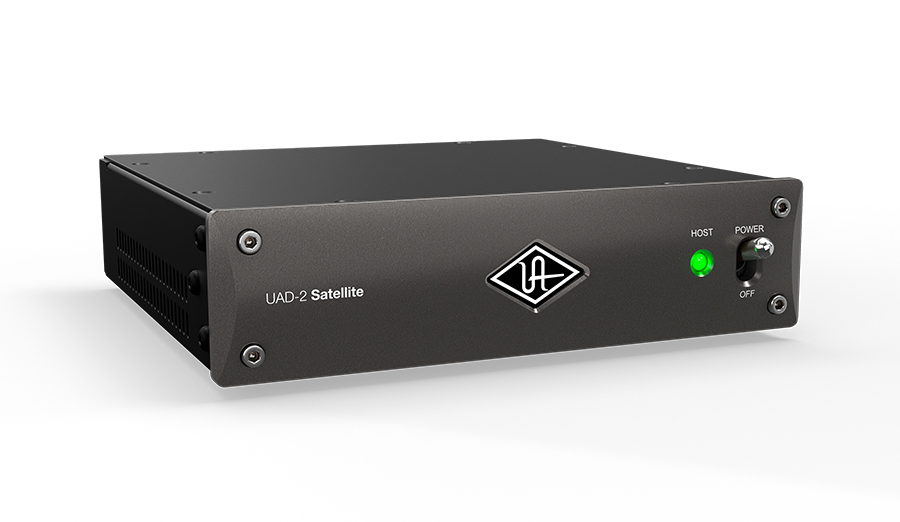
The "UAD-2" and "Apollo" series, which carry DSPs dedicated to UAD plug-ins, include products for various interfaces such as PCIe, Thunderbolt, USB and FireWire.
Another appeal is that they can be used without trouble even on laptops, which tend to lack power.

Note that the number of plug-ins you can use at once depends on the number of cores in the UAD hardware.
The DSP power used differs by plug-in, but one core can run roughly 5 or 6 plug-ins at the same time.
Relatively affordable products include the "Apollo Twin MkII SOLO" (1 core) with a built-in audio interface at 79,000 yen, and the "UAD-2 QUAD Core" (4 cores) at 85,000 yen (same for PCIe/Thunderbolt/USB/FW).
Product URL: http://hookup.co.jp/products/universal-audio/uad-2
Why classic gear produces great mixes
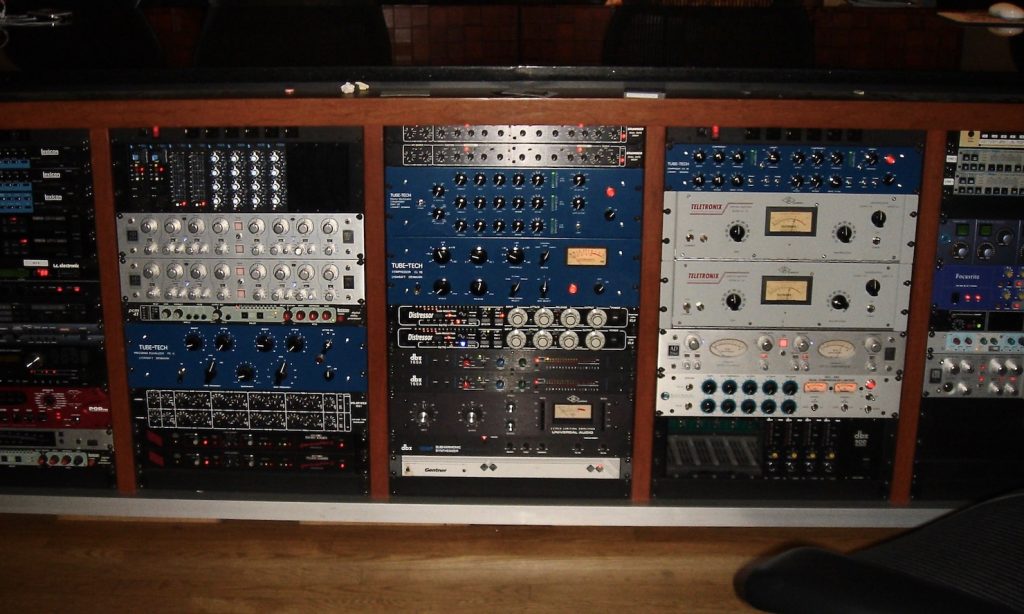
People often say of classic analog gear that "the sound changes just by running it through."
If you only want the pure results of EQ or compressor settings, simple digital-processing plug-ins may be enough. So why are all kinds of analog gear still in use today?
It's hard to explain in a word why sound through classic analog gear is good, but engineers on the job intuitively understand what kind of gear produces pleasant sound and sound that's easy to mix.
It's safe to assume there's a good reason gear has been loved for years in studios around the world.
Also, without realizing it, we're used to hearing sound that's passed through such gear. The information "this is what high-quality music sounds like" is stored in our heads.
Top studios use many kinds of gear with such distinctive sound qualities, choosing among them to create the atmosphere of each song.
Classic analog units can cost hundreds of thousands to millions of yen each, so using several in a small studio or home recording setup used to be difficult. UAD can be said to have brought them much closer to hand.
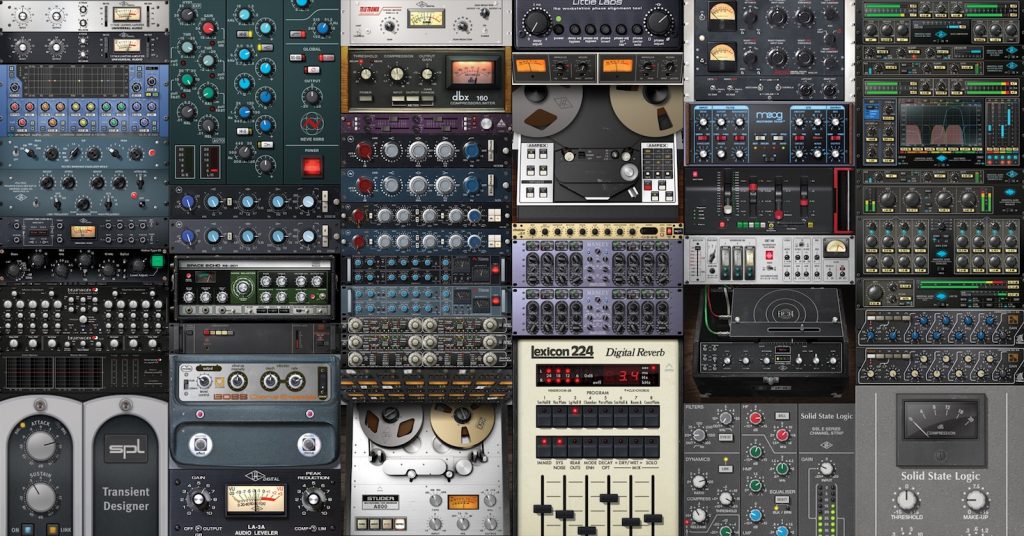
For those who just can't reach the quality they envision with plug-ins included with their DAW or ordinary plug-ins, getting UAD may well be the trigger for a breakthrough.
From the next installment, we'll feature representative and noteworthy plug-ins, so stay tuned!
Recommended products for using UAD plug-ins
Frequently asked questions
Q1. How are UAD plug-ins different from ordinary plug-ins?
UAD simulates the analog circuit itself computationally, whereas ordinary plug-ins stop at reproducing characteristics through sampling. Also, because it uses dedicated DSP hardware, CPU load is low and processing is stable.
Q2. What equipment do I need to use UAD?
You need DSP hardware dedicated to UAD plug-ins, from the "UAD-2" or "Apollo" series. They support multiple interfaces such as PCIe, Thunderbolt, USB and FireWire, and relatively affordable products start at 79,000 yen.
Q3. Can I use UAD on a laptop?
Yes. Because UAD's DSP processing doesn't depend on the computer's CPU, a big advantage is that it can be used stably even on laptops with limited specs.
NEW ARTICLES
Latest English Articles