
In music production, the quality of the vocal recording is the most important element determining how the whole song turns out. Rather than relying only on EQ and compression afterward, this article explains the importance of capturing a good sound at the recording stage. In particular, it recommends using a reflection filter to prevent sound reflecting off the room's walls and ceiling, explaining how this simple piece of equipment lets you move on to enhancing the material and makes a big difference in the final sound quality.
For even higher-quality vocal recordings
What matters most for raising the quality of a song?
It is recording with the best possible sound at the recording stage.
The "vocal track" in particular, which takes up a large part of a song,
is a very important element that determines the sound quality.
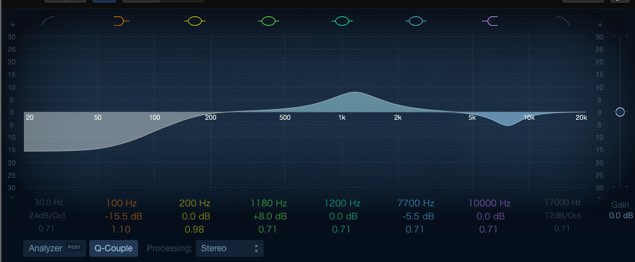
Can't you fix it afterward with "EQ and compression"?
Some of you may think so.
The answer is that it's very difficult. If you don't record properly,
the work becomes covering for the material (hiding the negatives).
If you can record with a good sound from the start,
the rest of the work is making the most of it (enhancing the material).
This difference is huge.
Reflection filters prevent room reflections
Ways to record in high quality include
- Paying attention to environmental noise such as air conditioners
- Upgrading equipment such as microphones and preamps
- Mic angle and recording direction
and so on, but "room reflections" are also an important point.
The voice reflects off the walls, ceiling, and floor, and the mic picks it up.
This adds "unwanted frequencies" and "unwanted reverberation."
These are very difficult to remove with "EQ and compression."
The equipment that prevents this is the
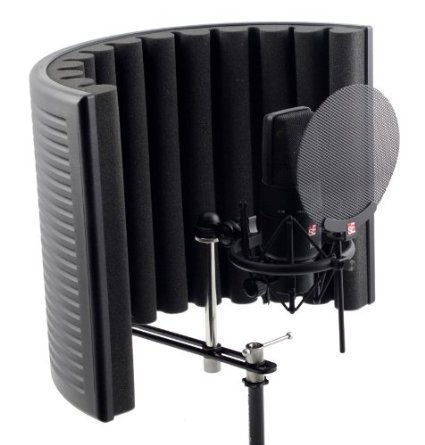
"reflection filter."
It absorbs the voice and prevents reflections.
It's very primitive: you simply attach it around the mic,
but once you actually try it, you'll be surprised by the difference.
If you're struggling with the sound quality of your vocal recordings,
we highly recommend trying one.
Automation order that takes gain reduction into account
Techniques for recording through a hardware compressor
The Basic Process for Mixing Home-Recorded Vocals: Basic Processing

Frequently asked questions
Q1. Can't I improve sound quality with EQ and compression after recording vocals?
Complete improvement is difficult. Post-processing becomes a matter of hiding the material's flaws, and you can't enhance the material the way you can when you record with a good sound from the start. Securing sound quality at the recording stage is the top priority.
Q2. How does a reflection filter work?
Attached around the microphone, it prevents the voice from reflecting off walls and ceilings, reducing unwanted frequencies and reverberation. It's simple equipment, but you can expect a noticeable improvement in sound quality in actual use.
Q3. Where should I start to improve vocal sound quality when recording at home?
We recommend starting with dealing with environmental noise such as air conditioners, adjusting the mic angle, and getting a reflection filter. Setting up these basics greatly improves the efficiency and quality of the entire production process that follows.
NEW ARTICLES
Latest English Articles











