
In DTM production, the limiter is an essential tool for raising loudness, but when and how you apply it greatly affects the sound. This article introduces a technique to prevent major changes in tone and balance after you finish: apply a limiter lightly once the sound of the main tracks is about 80% complete, and continue mixing based on the sound after the limiter. This approach lets you achieve the best loudness while keeping the image you had in mind, bringing you closer to a professional finish.
The Limiter: Raising Loudness
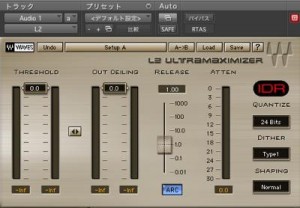
Every DAW comes with one,
and it is indispensable for finishing a piece, but
the tone and balance can change greatly between before and after applying it.
Here is a small trick to prevent that.
First, when the sound of the main tracks, such as drums, bass, and vocals, is about 80% complete,
apply the limiter.
The key at this point is not to apply the limiter too heavily.
By shaping sounds and making fine level adjustments through the limiter from the middle of the mix,
you can mix with the tone and volume after the limiter in mind,
which prevents the result from straying far from your image.
If you have the problem described above, be sure to try this.
How Loudness Works and How to Raise It
Selected questions and answers from the YouTube video

The explanation does not seem to be made for someone hearing it for the first time; it goes faster than I can follow. I wanted to first hear and remember what the original sample sounds like, but the explanation talks over it so I could not hear the actual music, and I could not focus on how it changes afterward.

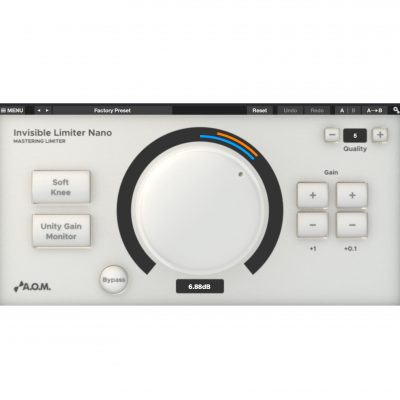
Thank you very much for your valuable feedback. We will put it to use in future explanations. We have added WAV audio to the article. https://sleepfreaks-dtm.com/mixing-plugin/invisible-limiter-nano/ We would be grateful if you could check the sound. We look forward to your continued support.
&t=184s
The explanation starts at 3:04
Frequently asked questions
Q1. When is the best time to apply a limiter?
We recommend applying it when the sound of the main tracks (drums, bass, vocals, and so on) is about 80% complete. Applying it at this point lets you continue mixing based on the sound after the limiter, preventing a loss of quality at the end.
Q2. Why shouldn't I apply the limiter too heavily?
Setting the limiter too strong loses the natural movement of the sound and tends to degrade the tone. Adjusting gradually with a light setting lets you get only the loudness you need while preserving the original sound.
Q3. What should I do if the sound changes greatly after applying the limiter?
It is important to keep mixing after applying the limiter and adapt to the new tonal balance. Rather than adjusting at the final stage, making fine level adjustments from the moment you apply the limiter minimizes the gap from your image.
NEW ARTICLES
Latest English Articles











