In DTM production and mixing, your choice of monitor headphones or earphones greatly affects the quality of your music. Ordinary headphones color the sound to make music sound flashy, while monitor gear lets you monitor an honest, accurate sound. Using the right monitoring gear lets you hear the panning, sound image and volume balance of each track clearly, enabling more precise editing and making it easier to convey the intent of your work correctly to others. This article carefully selects five products by use, from the industry-standard SONY MDR900ST to the high-performance Beyerdynamic DT1770PRO.
Why use monitor headphones and earphones
This time we'll carefully select and introduce products that strip away sound coloration and let you monitor an honest sound.
Ordinary headphones and earphones color the sound to make music sound flashy.
This often gets in the way when producing or mixing music.
Using the right headphones or earphones lets you clearly hear the parts that matter in music, such as the panning, sound image and volume balance of each track, making it more likely you can edit precisely.
As a result, it has the benefit of making it easier to convey the world and intent of your work to others.
Now let's get to the products.
SONY MDR900ST
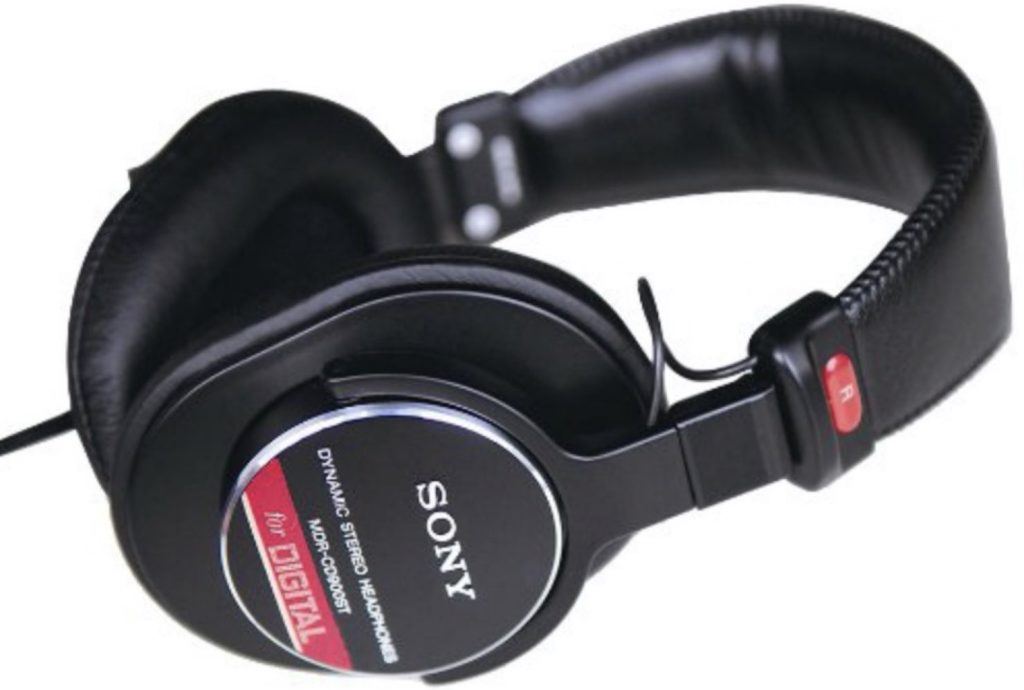
When it comes to monitor headphones, the first standard model to come up as a candidate is SONY's "MDR900ST."
They're found in every studio and have been loved by many people for years.
Their characteristic is that they're designed so the mid-highs are very easy to monitor, making them suited to picking apart takes during recording and the like.
They don't clamp hard when worn, so they're also great for long sessions.
Because they don't clamp much, the lows are often hard to hear.
So if you place more importance on the low end, we recommend other models.
They're an industry-standard product, so there's no harm in owning a pair.
Recommended mainly for those recording vocals or instruments.
SONY MDR-EX800ST
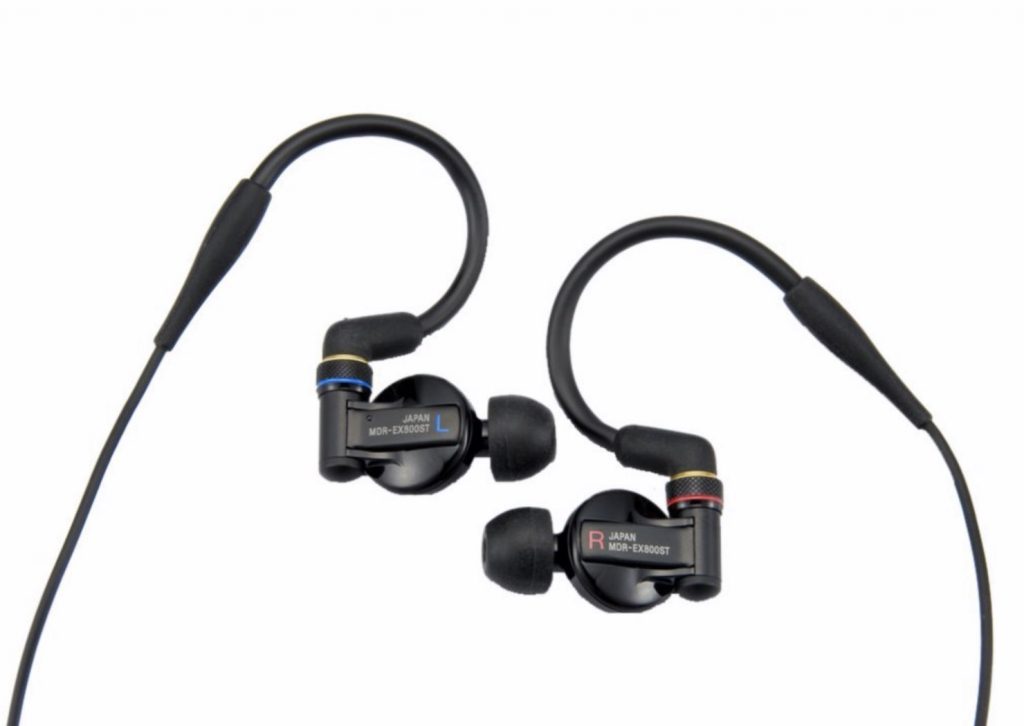
Next is SONY's "MDR-EX800ST."
Like the MDR-900ST, these are monitor earphones Sony put great effort into making.
They use a canal-type in-ear design that fits securely in your ears, so the low end doesn't escape.
As for the sound, the mid-highs are as clean as the MDR900ST, while the lows can also be monitored in good balance.
Ear tips in three sizes, S/M/L, are included to fit various ear shapes.
A carrying case, handy for taking them around, is also included.
Also, being earphones, even people with styled hair can use them without worry.
A model we recommend for everything from recording vocals and instruments to music production.
Audio-Technica M50x

Next is Audio-Technica's "M50x."
These monitor headphones are very highly rated overseas.
Despite their solid build, they fold up very compactly, so they're well suited to carrying around.
They also support 90-degree swiveling, so you can use them as DJ headphones too.
As for the sound, the mid-highs sound clean, of course, and the lows are very easy to monitor.
They also clamp firmly when worn, so you can immerse yourself in music production and recording without losing the low end.
The accessories are thorough too, including a 1.2m coiled cord, a 1.2m straight cord and a 3m straight cord.
You can swap cords to suit various environments.
A pouch for carrying them is also included.
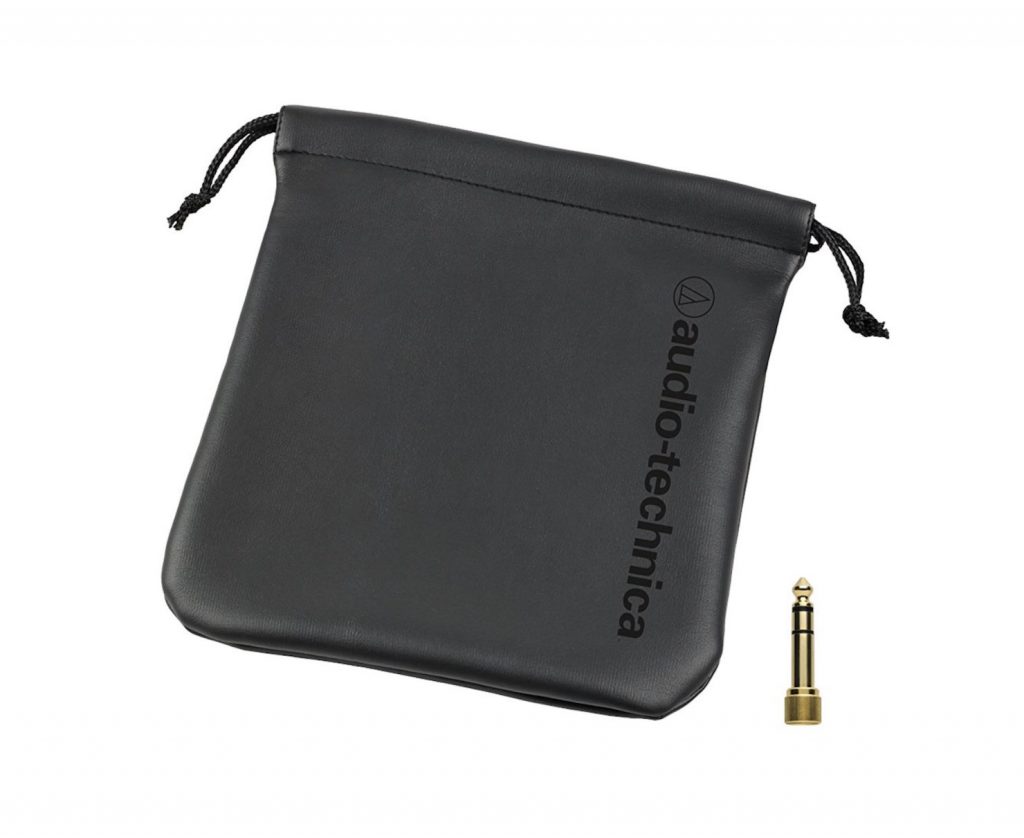
Because the cords can be swapped, if a cable breaks you can just buy a new cable and use them right away, which is another big plus.
Since you can monitor the lows properly, it's a product we'd recommend for a wide range of uses, from programming-based music to recording vocals and instruments and mixing.
AUDIOFLY AF120
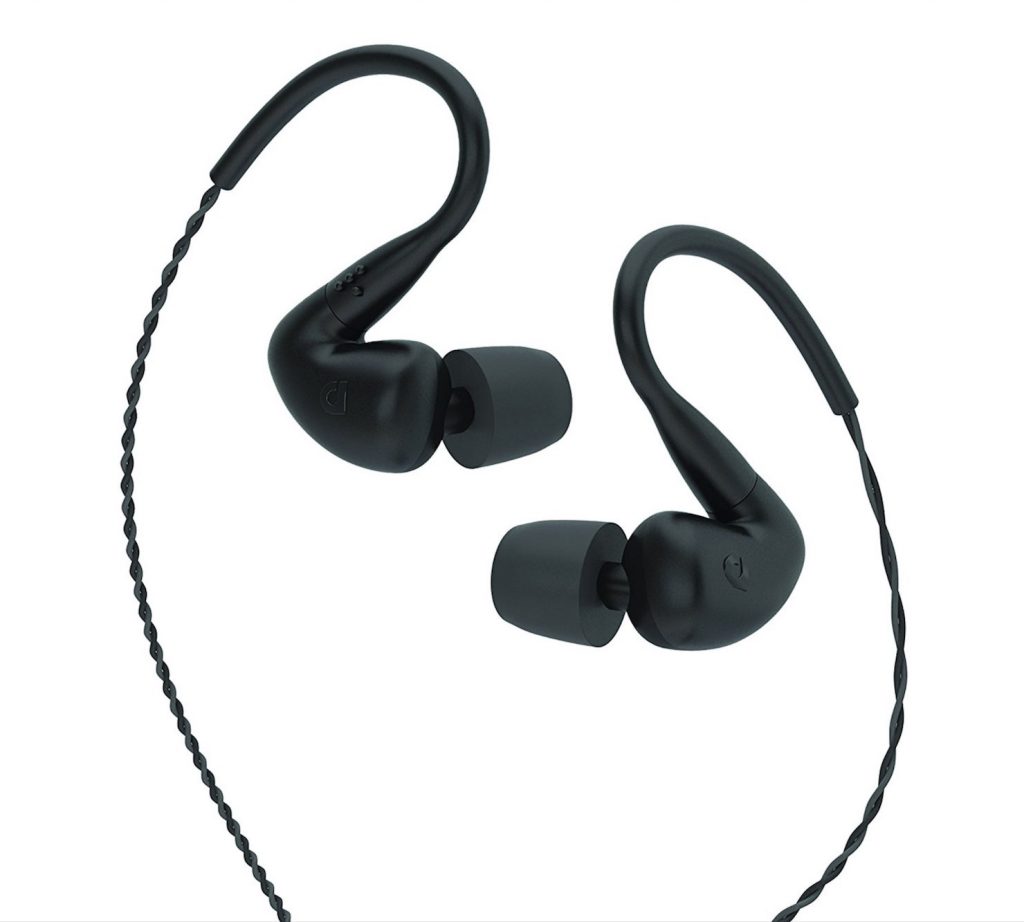
Next is the AUDIOFLY "AF120."
This model is a canal-type in-ear monitor earphone.
Its characteristic is a sense of space so wide you wouldn't believe they're earphones.
You can clearly monitor the panning, where each instrument is sounding, and the sound image.
Also, because it uses a hybrid of a dynamic driver and a balanced armature driver, it can reproduce everything from lows to highs in good balance.
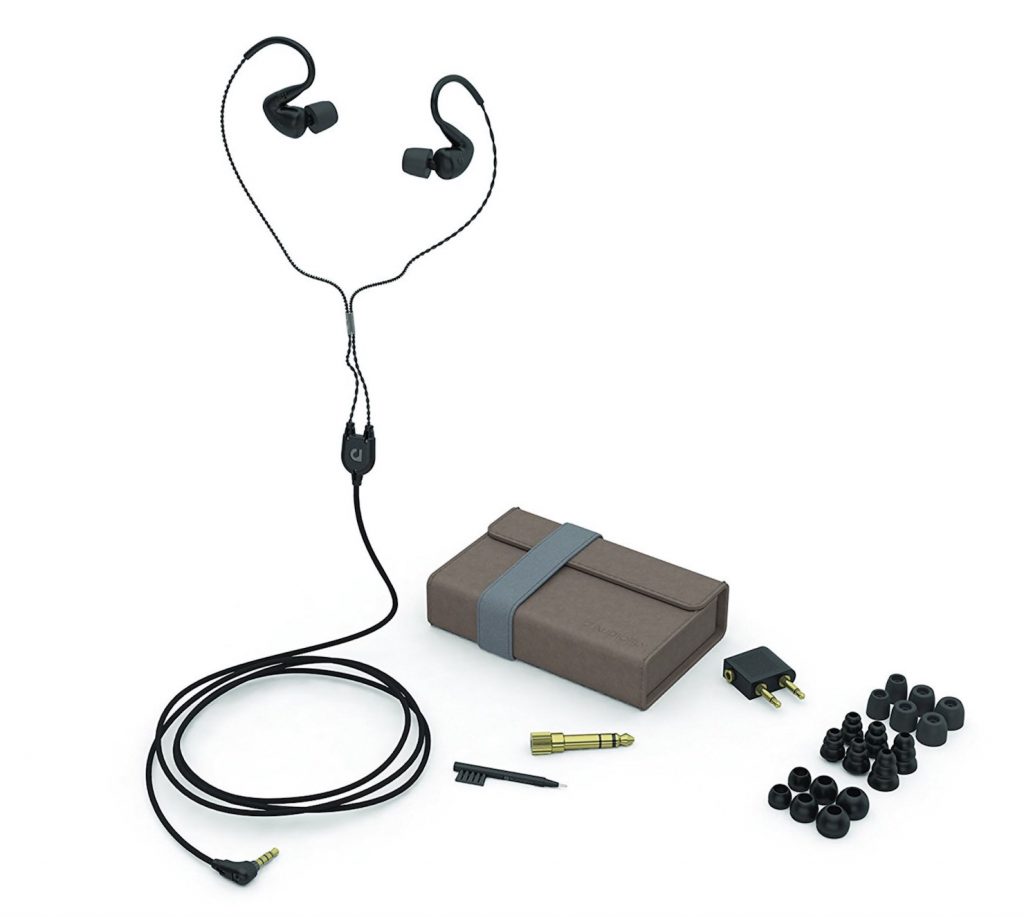
It comes with a carrying case, of course, and a variety of ear tips, so you can use it to suit your preferences.
The cable is detachable, so repairing or replacing it if it breaks is easy.
✴︎ It uses MMCX, a standard detachable connector, but some cables may not fit well.
When buying a replacement cable, we recommend checking with the store staff.
A model we recommend for those who mainly do programming, mixing and mastering.
Beyerdynamic DT1770PRO
Finally, we introduce the Beyerdynamic "DT1770 PRO."
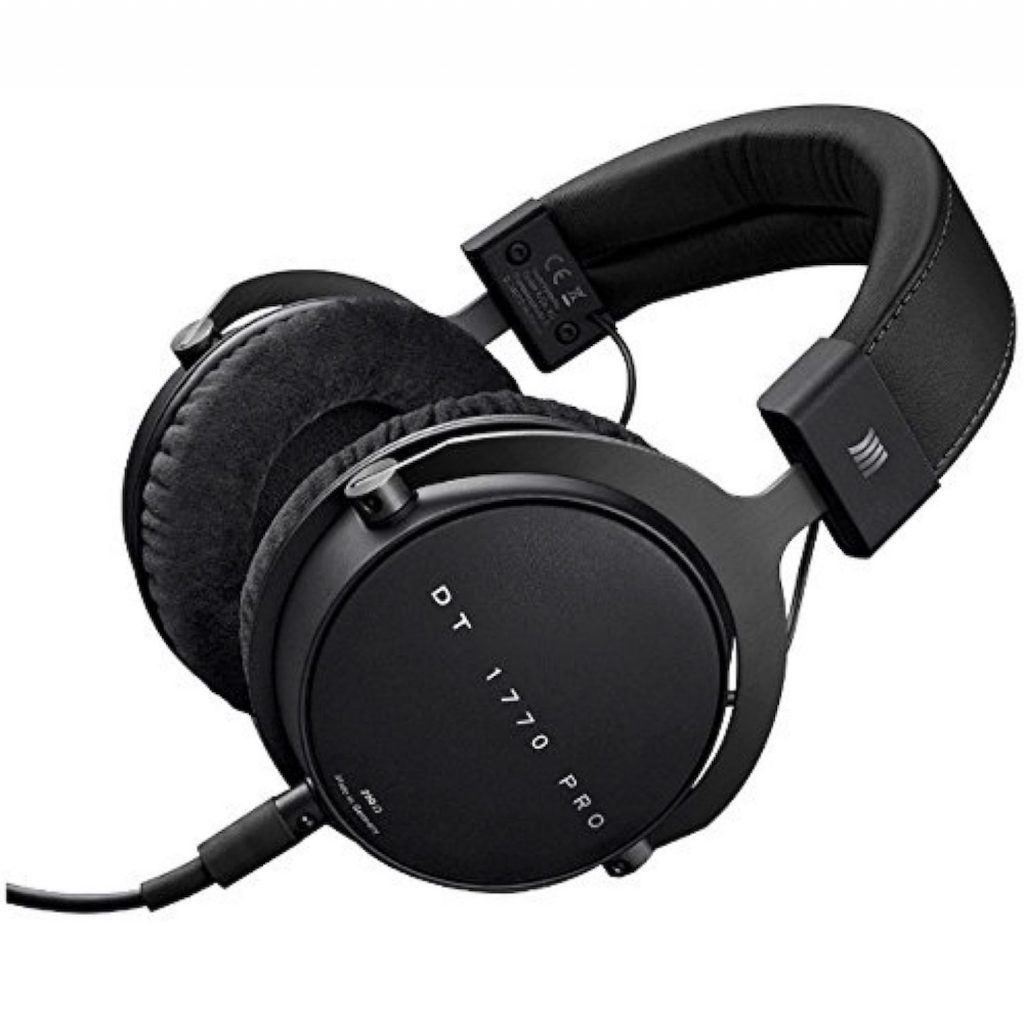
This model falls into the category of very expensive monitor headphones.
It features Beyerdynamic's Tesla 2.0 drivers and boasts overwhelming detail and reproduction.
The body is large, so it's not suited to carrying around, but a dedicated case is included.
As for the sound, it's very easy to tell where each instrument is sounding, and it has the detail to clearly grasp even reverberation such as reverb and delay.
It doesn't clamp very hard when worn, but it's heavy, so long sessions may tire you out.
However, it has overwhelming detail that more than makes up for that, so it really shines for final mixing, mastering and recording.
A model we recommend for anyone who wants to monitor thoroughly without missing even the smallest sound.
Benefits and caveats of monitor headphones

The benefit of monitor headphones is that you can monitor a wide soundstage.
However, monitoring sounds playing faintly in the background takes some getting used to.
Also, be careful when using a tightly clamping type for long periods, because it can give you a headache.
Their high durability and wide soundstage are very attractive.
Benefits and caveats of monitor earphones
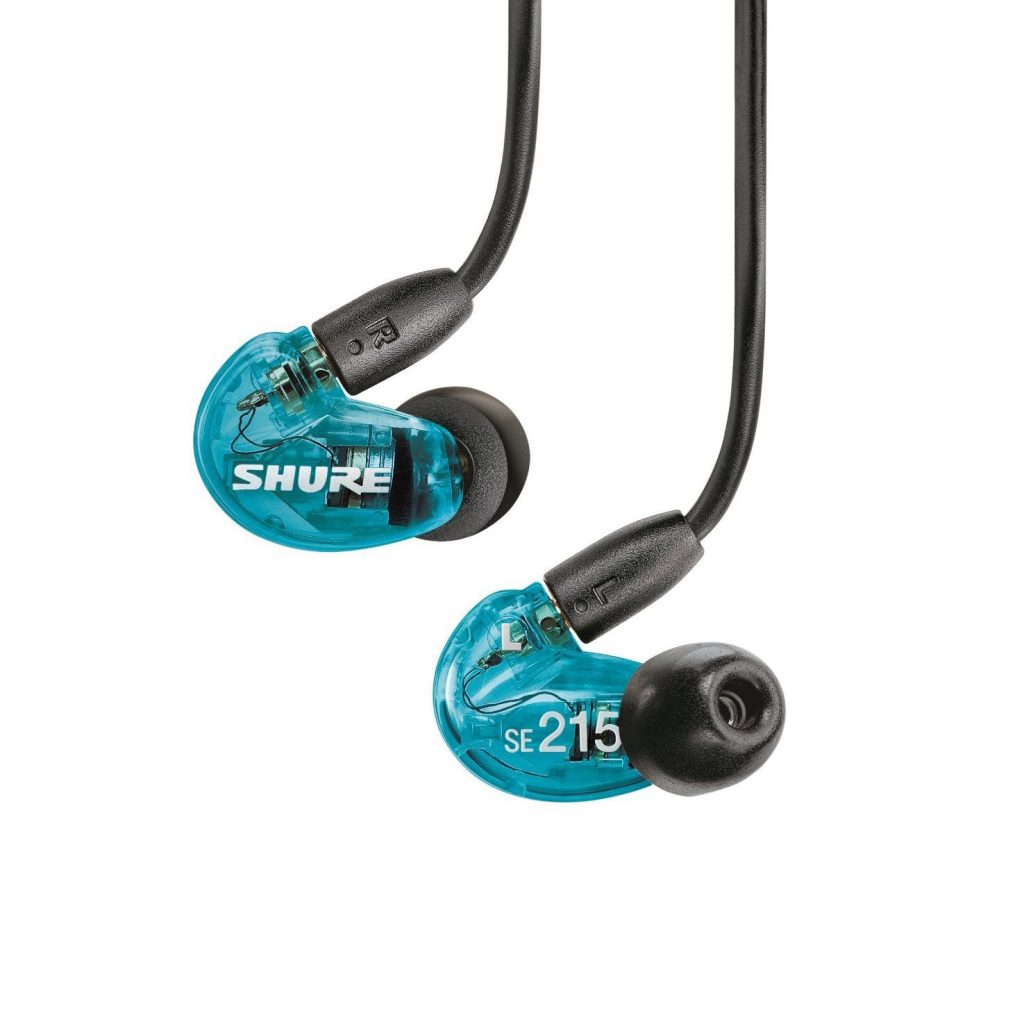
The benefit of monitor earphones is that they make it easy to monitor fine details.
They're easy to use with a smartphone and the like, so listening again to the music you usually hear through monitor earphones leads to all kinds of discoveries.
They're also suited to carrying around, so they have the benefit of high mobility.
However, compared with monitor headphones, the soundstage is often narrower, so it takes time before you can tell where each instrument is sounding.
The difference between open-back and closed-back headphones
Headphones broadly fall into two types:
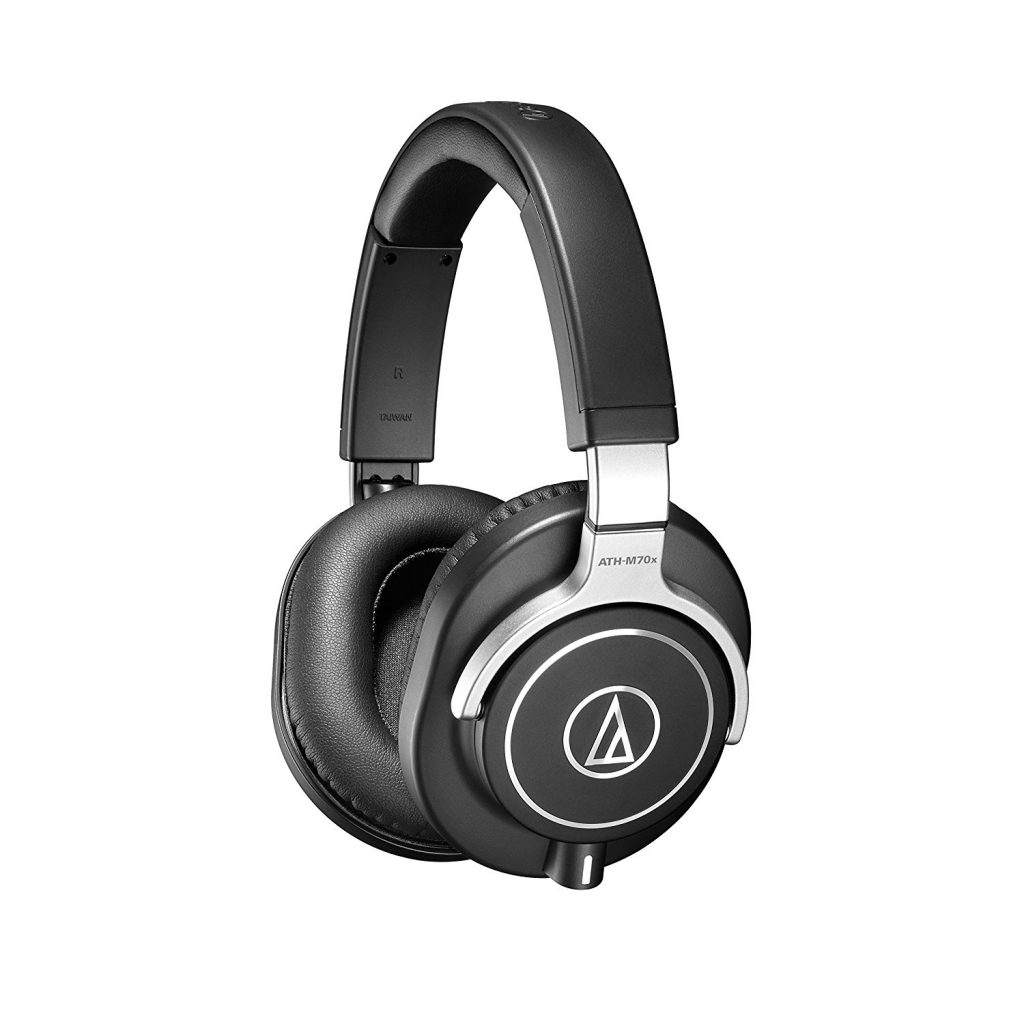
open-back, which make it easy to monitor the highs,
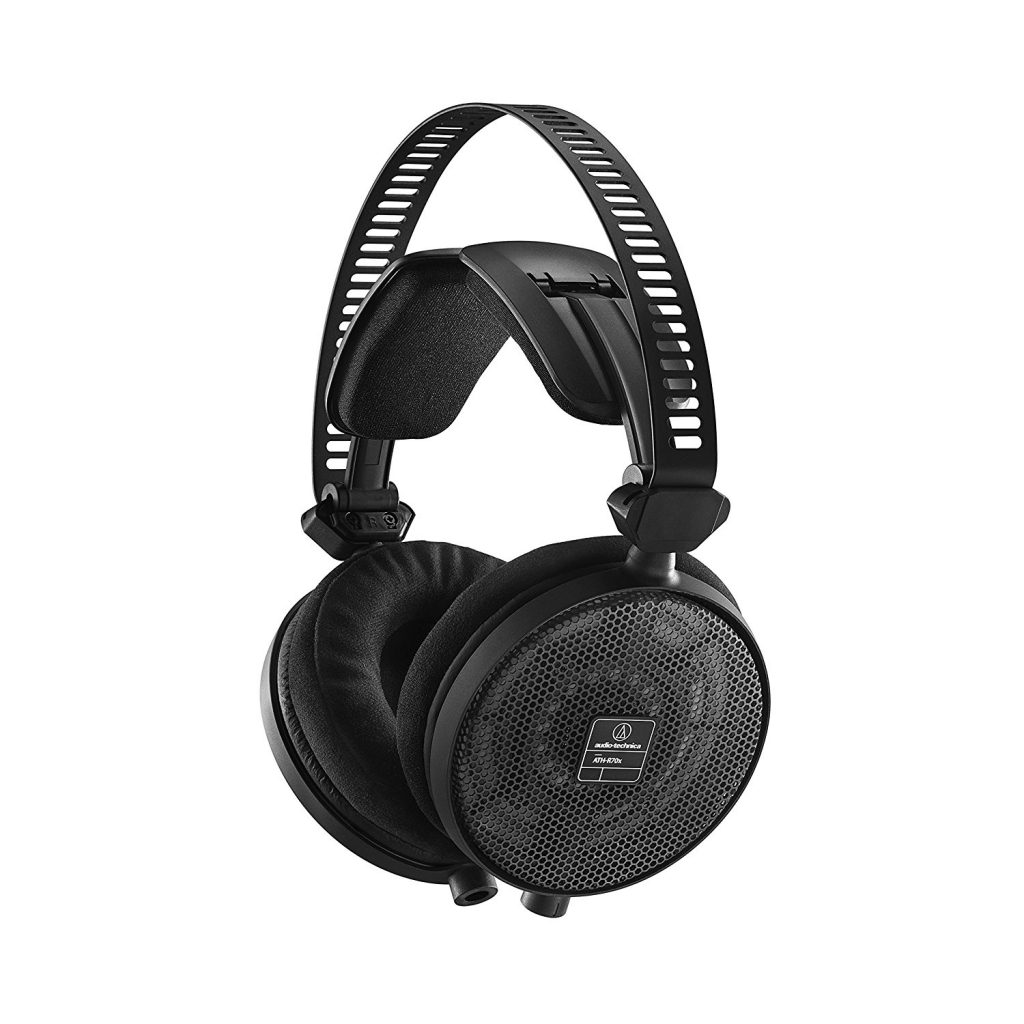
and closed-back, which make it easy to monitor the low mids.
It's hard to say one is better than the other, but in expensive lineups, both types are often available.
If you have the chance to try them, please compare both before buying and choose the type you prefer.
Either way, you'll need to get used to the headphones.
Once you're used to them, you'll be able to produce without problems with either type.
The difference between dynamic drivers and balanced armature drivers

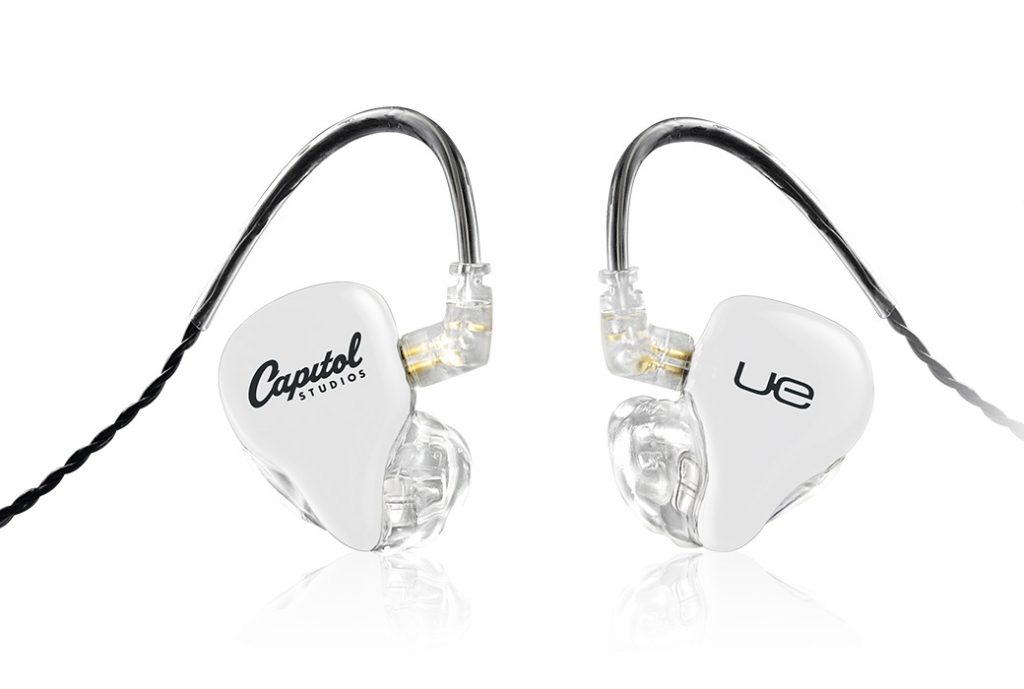
Earphone products often state which driver they use.
Dynamic drivers excel at reproducing lows and are often used in inexpensive earphones.
Balanced armature drivers, on the other hand, excel at reproducing the mid-highs.
The more expensive the monitor earphones, the more models use balanced armature drivers, and it's not unusual for one earphone to have three or four drivers.
This is to divide roles among the drivers, such as highs, mid-highs and mids, for a wider soundstage and a more immersive sound.
However, they often struggle to reproduce lows with as much detail as dynamic drivers.
Recently, to solve this problem, models with both dynamic and balanced armature drivers have been released.
Making use of the strengths of both drivers, they allow higher-quality monitoring through earphones.
What did you think?
This time we introduced recommended monitor earphones and headphones.
Each manufacturer emphasizes different points, so if possible we recommend trying them in a store before buying.
Stay tuned for next time!
About the author
be-bee (Shun Ito)
Born in 1987. A Logic Pro X and Ableton Live user.
After returning from studying in the US, graduated from music school and made a debut as a composer.
Composes and arranges mainly EDM and pop, and also works as an engineer.
Twitter ID: @bebee330
Instagram ID: https://www.instagram.com/bu_e_bu/
YouTube channel: https://www.youtube.com/user/murmur330
Frequently asked questions
Q1. If I'm starting DTM, which monitor headphones do you recommend first?
We recommend the industry-standard SONY MDR-CD900ST or the well-balanced Audio-Technica M50x. The MDR-CD900ST is used in many studios and is suited to recording vocals and instruments. You can choose according to your budget and use.
Q2. Which is better for DTM, earphones or headphones?
Both have advantages. Earphones keep the lows from escaping and are convenient to carry, while headphones are comfortable to wear and suited to long sessions. Choose according to your working environment and use.
Q3. Why are monitor headphones expensive?
Achieving accurate, uncolored sound reproduction requires high-quality drivers and precise design. They also need the durability to withstand long use and the ability to distinguish sound down to the finest detail, which raises manufacturing costs.
NEW ARTICLES
Latest English Articles