
Master music theory to greatly expand your possibilities as a composer

In this category, we will explain music theory.
- The songs I write always end up with the same feel
- I want to copy songs, but I can't figure out the chords
- I want to analyze songs by my favorite artists and composers
Problems and wishes like these can be solved by learning music theory.
Even if you're not comfortable with sheet music, we will start by checking things in a DAW, so let go of the idea that it is difficult and let's learn together.
With the goal of "actually being able to write songs," we will proceed in what we believe is the best order, without pushing too hard.
Now let's get right into it.
Learn the note names essential for mastering music theory
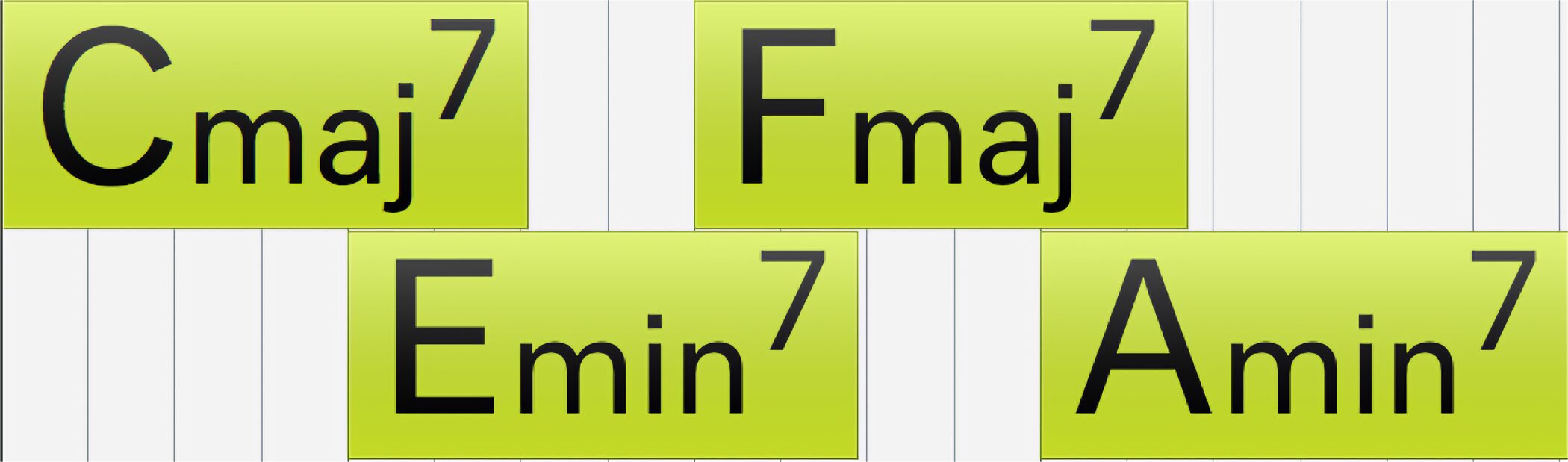
There is something you absolutely must check before starting music theory.
You have probably seen notation like the image in chords and elsewhere.
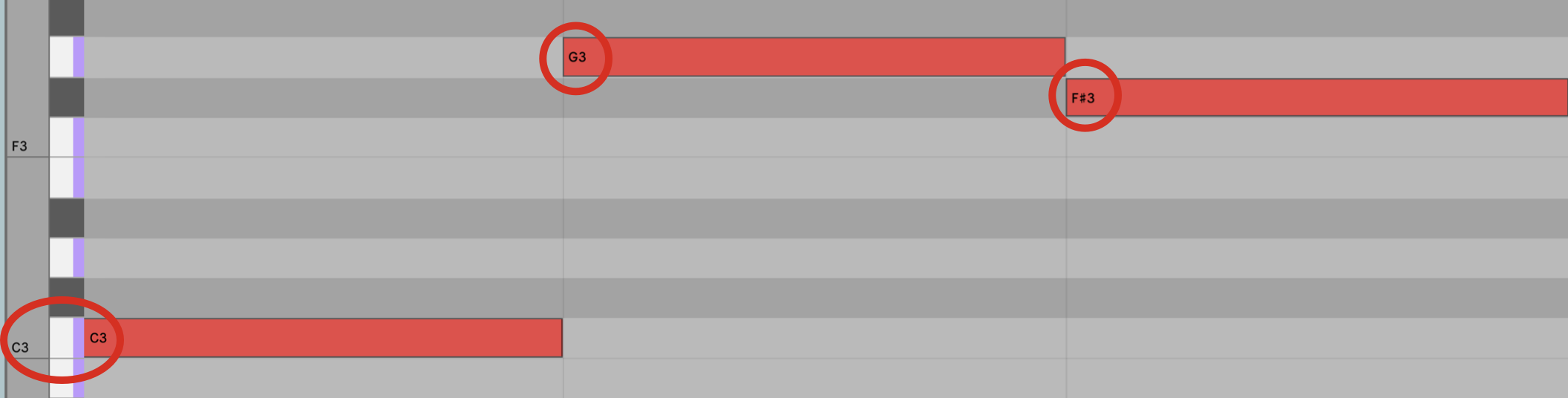
The same notation is used in DAWs (music production software).
These letters are essential knowledge for enjoying music.
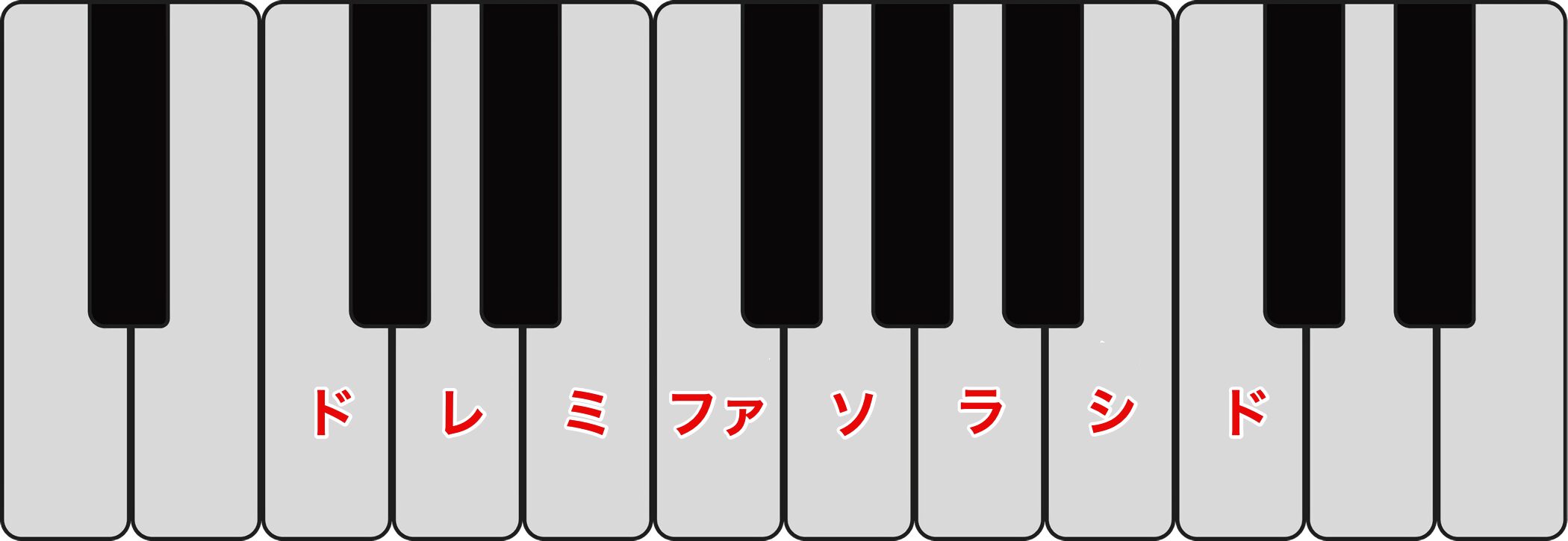

This is the familiar "Do Re Mi Fa Sol La Ti Do."
Let's actually enter "Do Re Mi Fa Sol La Ti Do" and check it in a DAW.
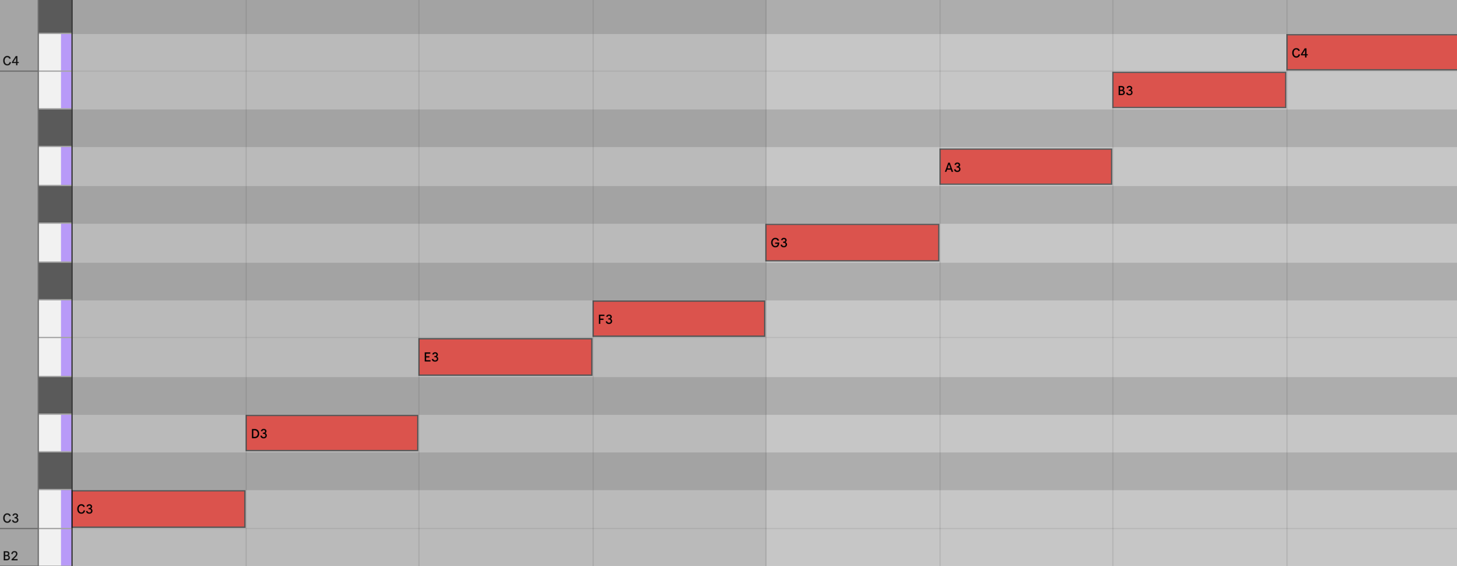
You will see it shown as "C D E F G A B C."
It seems a little hard to memorize.
Let's rearrange it with "A" as the main note: "La Ti Do Re Mi Fa Sol La".
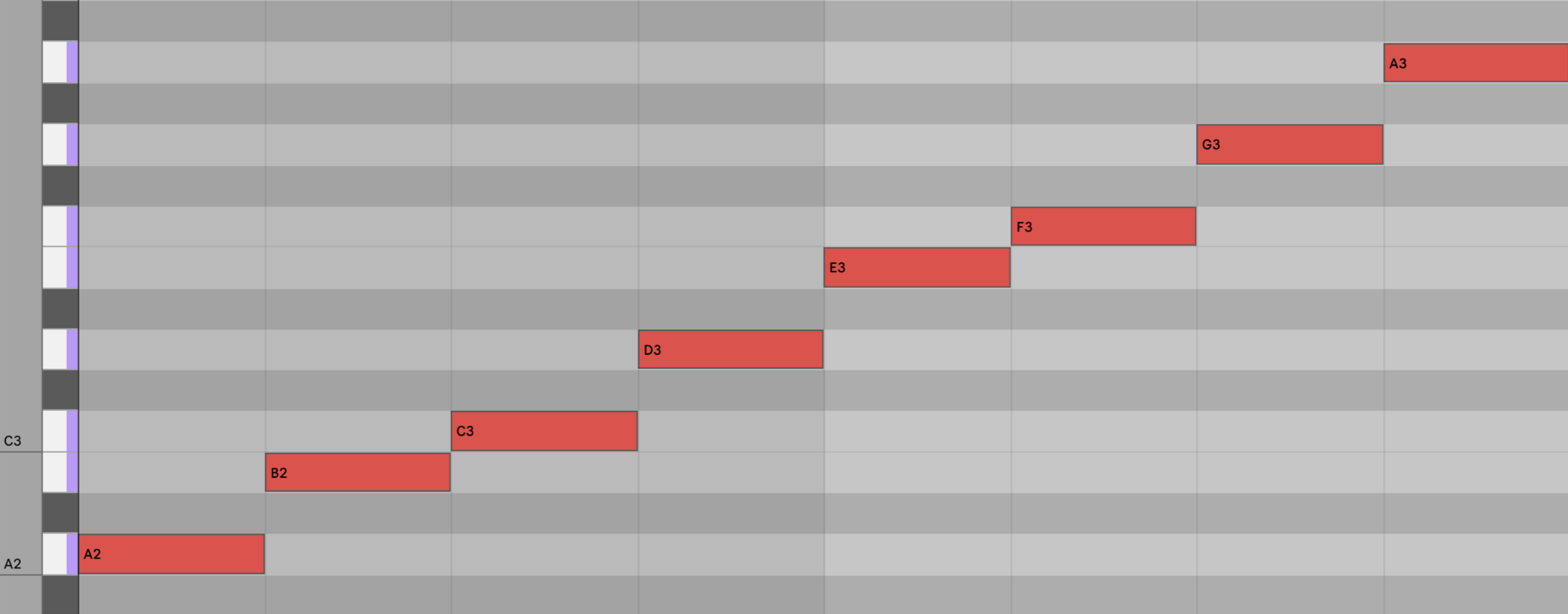

Now they line up in alphabetical order: A B C D E F G.
If you find the names hard to memorize, be sure to try this.
Sharps and flats indicate half steps
There are black keys between the white keys.
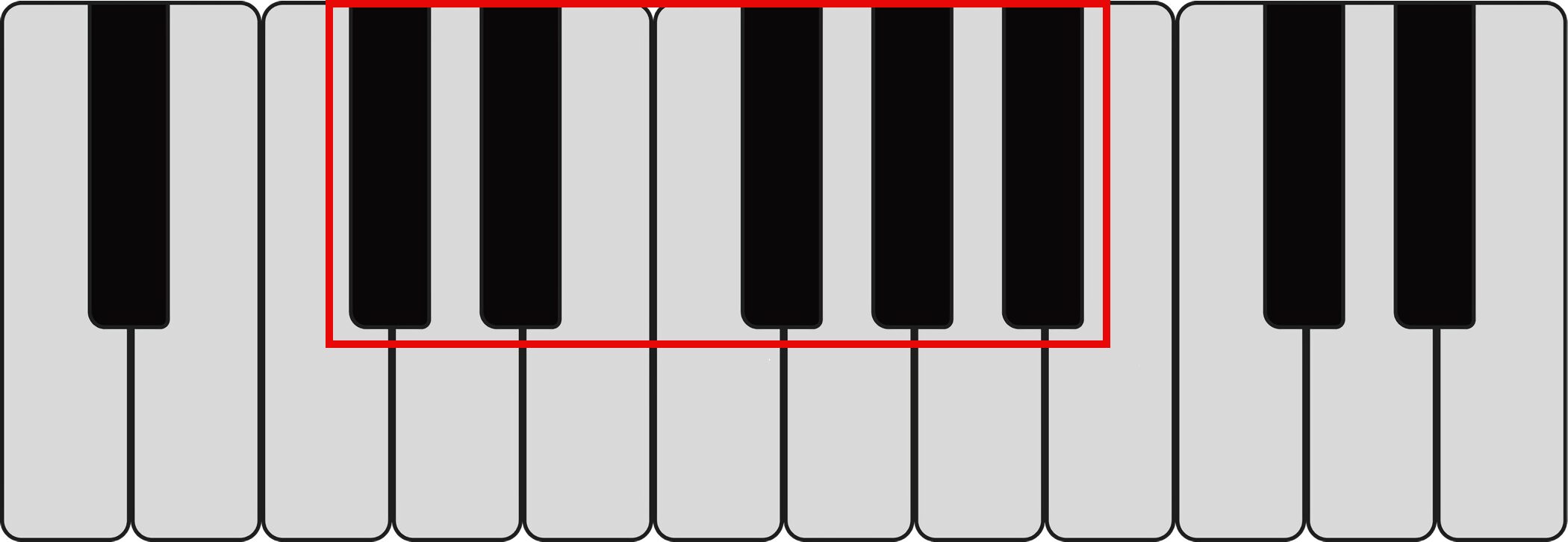
This is where the # (sharp) and ♭ (flat) come in.
- #: play a half step higher
- ♭: play a half step lower
That is what they mean.
So what is a half step? Let's check on the piano.
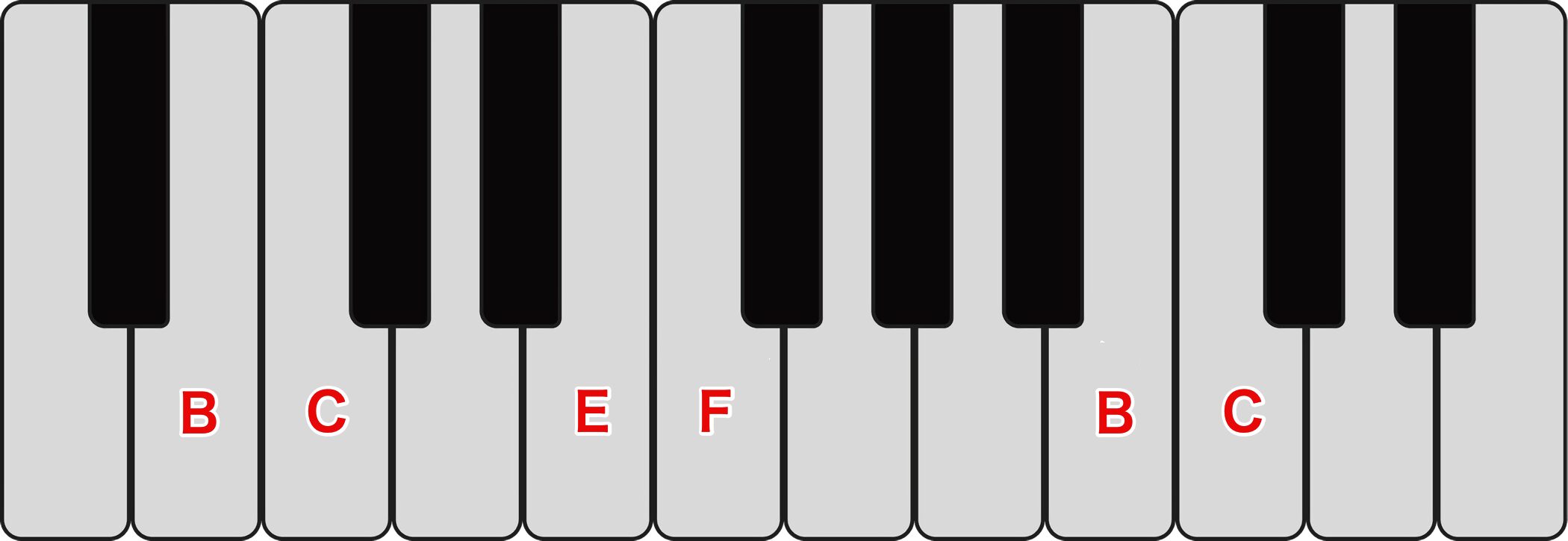
There is no black key either "between E and F" or "between B and C."
This adjacent relationship is called a half step.
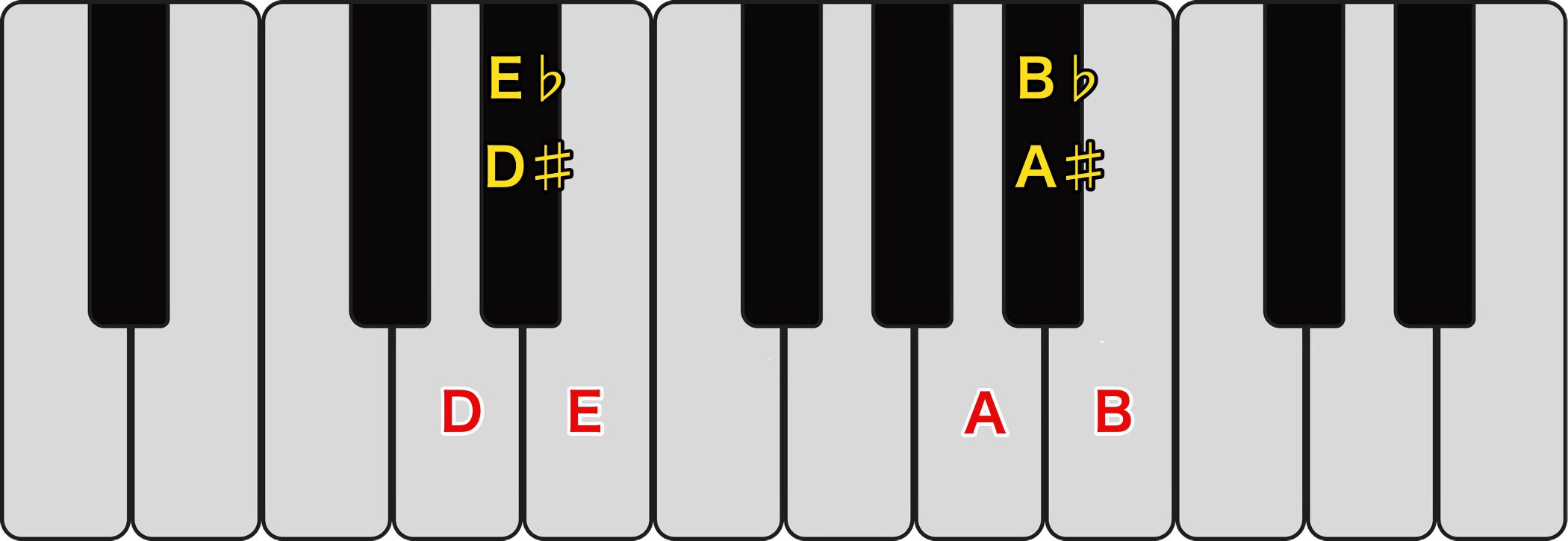
# raises a note by a half step. ♭ lowers a note by a half step.
Black keys are written by adding # or ♭ to each pitch.
(There are also names such as E# that fall on white keys.)
A whole step equals two half steps
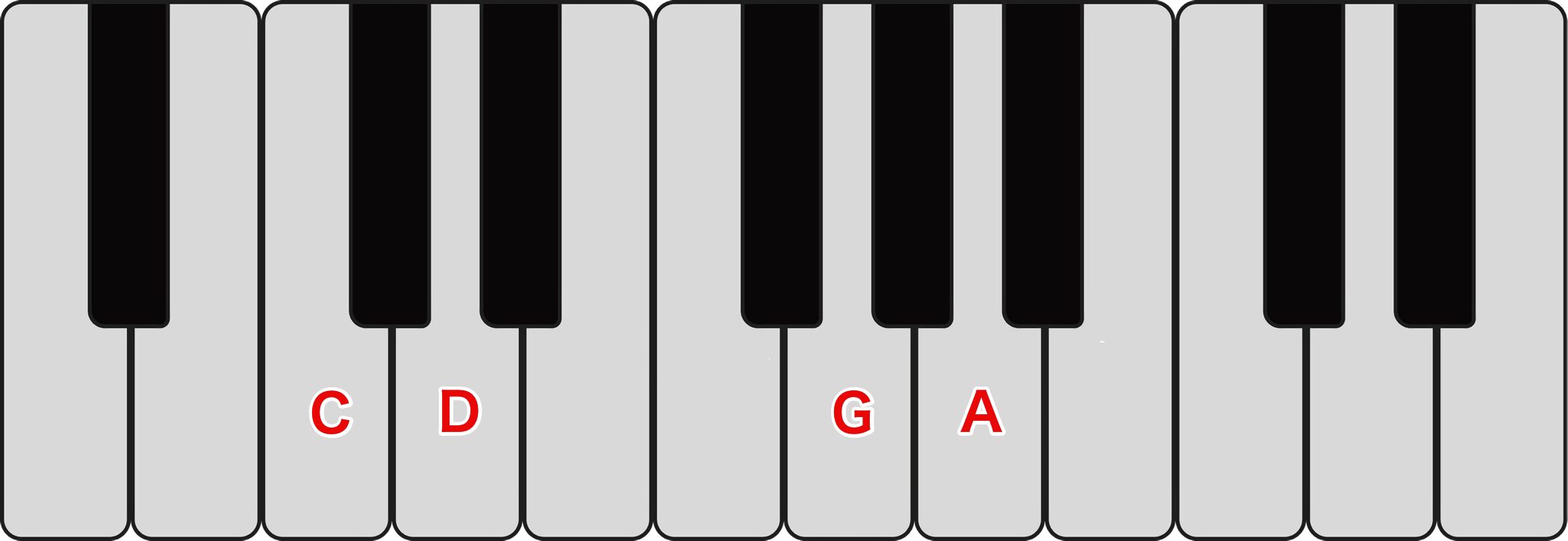
And two half steps (half step + half step) are called a whole step.
"Between C and D" is two half steps. The same goes for "G and A."
Do you understand the relationship between whole steps and half steps?
Double sharps and double flats
When using a DAW, the notation above is enough in most cases.
However, there are also symbols like these.

For those of you who have read this far, they are not difficult at all. Let's learn them as well.
- Double sharp (the X symbol in sheet music): raises a note already raised a half step by a sharp by another half step
- Double flat (the two ♭ symbols in sheet music): lowers a note already lowered a half step by a flat by another half step
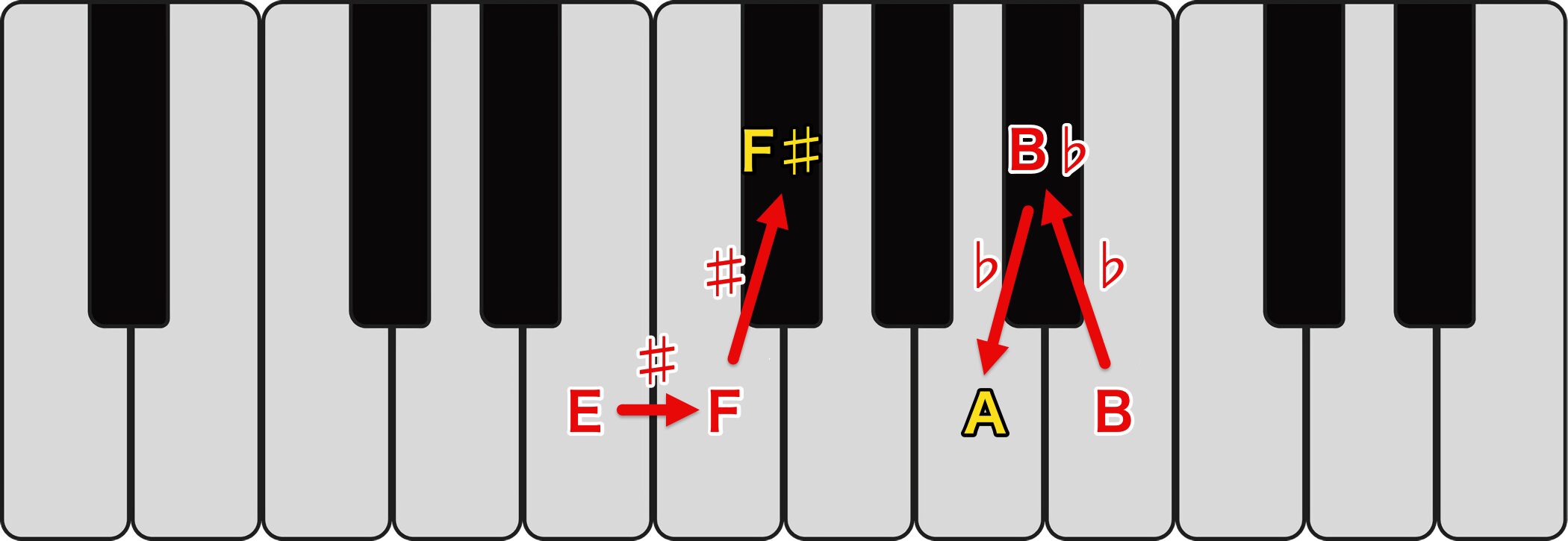
On the keyboard, "E double sharp" is "in the same position as F sharp," and "B double flat" is "in the same position as A."
They appear far less often than sharps and flats, but they will become important later as the course progresses.
These note names are essential for composing with a DAW, so be sure to learn them!
Frequently asked questions
Q1. Why do I need to learn note names for music production?
Because they are the foundation of music production, such as composing, understanding chord progressions, and analyzing songs by your favorite artists. DAW software also uses letter names as standard, so this knowledge is essential for efficient composing.
Q2. What is the difference between a sharp (#) and a flat (♭)?
A sharp (#) means play a half step higher, and a flat (♭) means play a half step lower. The black keys of a piano are written with these symbols, and together with the white keys they represent all 12 notes.
Q3. Are double sharps and double flats actually used in music production?
In typical DAW-based composing, sharps and flats are almost always enough. However, they become important concepts when you study music theory more deeply or work with complex music.
NEW ARTICLES
Latest English Articles











